Basement Waterproofing Raleigh: How to Protect Your Home From Water Damage, Crawl Space Moisture, and Foundation Problems

June 8th, 2026

Basement waterproofing Raleigh homeowners can trust starts with understanding where the water is coming from, why it is reaching the home, and what type of drainage or waterproofing system will solve the problem for the long term. In central North Carolina, heavy rain, clay-rich soil, grading issues, clogged drains, hydrostatic pressure, and crawl-space moisture can all contribute to basement leaks, foundation problems, mold concerns, and standing water around the property.

For homeowners in Raleigh, Garner, Wake County, and the surrounding Triangle area, water problems are not something to ignore. A small leak, musty smell, damp crawl space, or soggy yard can become a larger issue if water continues to collect near the foundation. The EPA emphasizes that moisture control is the key to mold control and recommends drying water-damaged areas quickly to reduce mold risk.

Drainage & Waterproofing Solutions LLC helps homeowners protect their basements, crawl spaces, foundations, and yards with professional drainage and waterproofing services. The company serves Raleigh, Garner, and surrounding North Carolina communities and positions itself as locally owned, family-operated, and backed by 20+ years of experience.

Whether you are dealing with water in the basement, pooling near the foundation, crawl-space humidity, or erosion in the yard, the right solution should be based on a careful inspection—not guesswork.

What Causes Basement Water Problems in Raleigh Homes?

Basement water problems in Raleigh are often caused by poor yard drainage, clogged or undersized drainage systems, hydrostatic pressure, foundation cracks, grading problems, saturated soil, or water collecting near basement walls. Because many homes in the Triangle experience heavy rain and dense soil conditions, water can build up around the foundation and eventually find a path inside.

Water follows the easiest path. When the ground around a home becomes saturated, pressure can build against basement walls and foundation footings. Over time, that pressure may push water through cracks, seams, porous concrete, window wells, basement floors, or wall-floor joints.

Common causes of basement water include:

  • Poor grading that slopes toward the home
  • Downspouts discharging too close to the foundation
  • Clogged yard drains or buried drainage lines
  • Missing or failing French drains
  • Hydrostatic pressure around basement walls
  • Foundation cracks or gaps
  • Improperly controlled crawl-space moisture
  • Sump pump failure or lack of a sump system
  • Older exterior waterproofing that has worn down
  • Water collecting near retaining walls or low spots in the yard

The goal of basement waterproofing is not simply to hide the symptoms. The goal is to control water at the source, redirect it safely, and protect the home from repeated moisture intrusion.

Why Basement Waterproofing Raleigh Homes Matters

Basement waterproofing Raleigh homes matters because water intrusion can affect indoor air quality, structural materials, stored belongings, finished living space, and long-term property value. Even minor seepage can lead to musty odors, mold growth, wood damage, and foundation stress if the water source is not corrected.

Moisture problems rarely improve on their own. If rainwater, groundwater, or runoff keeps collecting near the home, the foundation is forced to absorb repeated wet-dry cycles. This can contribute to cracks, shifting soil pressure, water staining, efflorescence, and persistent dampness.

Homeowners often call for help after noticing:

  • Water stains on basement walls
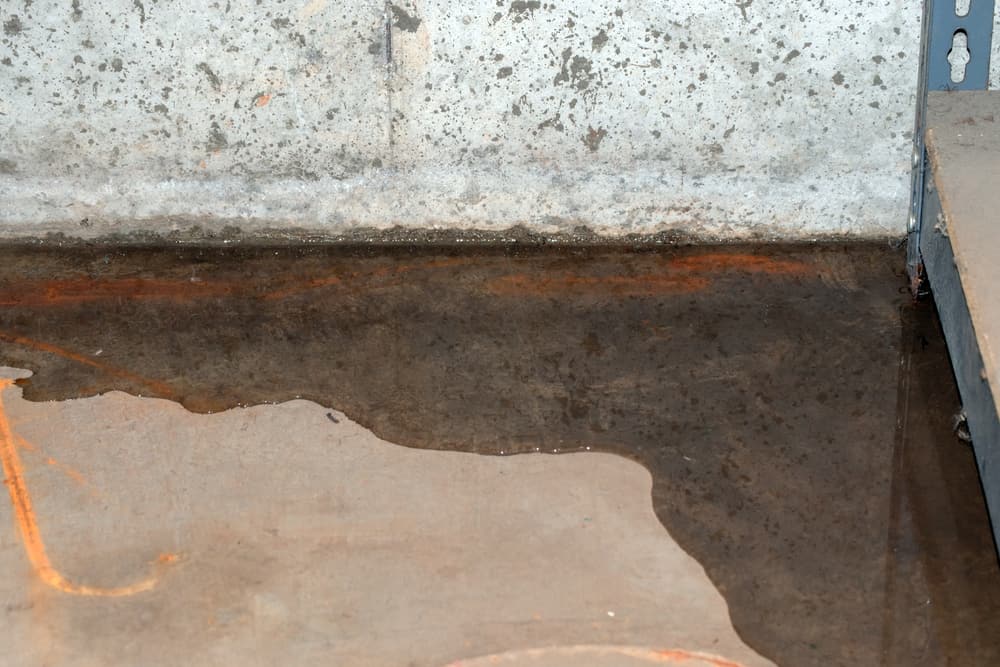
  • Standing water after heavy rain
  • A musty basement smell
  • Damp carpet or flooring
  • White powdery residue on concrete
  • Cracks in foundation walls
  • Mold or mildew concerns
  • Rust on appliances or metal storage shelves
  • High indoor humidity
  • Water pooling near the foundation outside

A basement is part of the home’s foundation system. When water enters repeatedly, it can affect comfort, health, safety, storage, resale confidence, and peace of mind.

Signs You May Need Basement Waterproofing or Drainage Repair

You may need basement waterproofing or drainage repair if you see water stains, damp walls, peeling paint, musty smells, mold growth, cracks, puddles, wet flooring, or pooling water near the foundation. These signs usually mean water is entering, collecting, or failing to drain away from the home properly.

Some warning signs are obvious, such as basement flooding after a storm. Others are subtle. A faint odor, slightly damp wall, or small crack can point to a larger drainage issue outside the home.

Basement Warning Signs

  • Water on the floor after rain
  • Damp walls or wall-floor seams
  • Mold or mildew smell
  • Efflorescence on concrete
  • Peeling paint or bubbling wall coatings
  • Rusting metal supports, appliances, or shelving
  • Cracks that widen over time
  • Sump pump running constantly
  • Finished basement materials feeling damp

Exterior Warning Signs

  • Standing water near the house
  • Soil washing away from the foundation
  • Mulch floating away after storms
  • Downspout water dumping beside the home
  • Soggy lawn areas that do not dry
  • Water flowing toward basement windows
  • Erosion near retaining walls
  • Muddy walkways or low spots

Crawl-Space Warning Signs

  • Musty smells inside the home
  • Damp insulation
  • Wet soil under the house
  • Sagging vapor barrier
  • Condensation on ductwork
  • Wood discoloration
  • Pest activity
  • High indoor humidity

A professional drainage system inspection can identify whether the issue is coming from roof runoff, grading, surface water, groundwater, foundation cracks, crawl-space moisture, or an aging drainage system.

How Professional Basement Waterproofing Works

Professional basement waterproofing works by identifying how water reaches the home and then using the right combination of drainage, waterproofing, sealing, sump systems, grading correction, or crawl-space moisture control. The best solution depends on whether water is entering from outside, rising from below, or collecting inside due to humidity or condensation.

A proper waterproofing plan usually starts with an on-site evaluation. Drainage & Waterproofing Solutions’ site states that its process includes a personal inspection, a detailed written plan, a written cost quote, and an estimated project timeline.

A complete basement waterproofing plan may include:

  1. Inspection of the water source: The team looks at the basement, crawl space, foundation, yard slope, gutters, downspouts, soil conditions, drainage exits, and signs of repeated water movement.
  2. Drainage design: The solution may include interior drain systems, exterior drains, French drains, sump systems, catch basins, discharge lines, or grading corrections.
  3. Foundation protection: Depending on the property, foundation waterproofing may include exterior waterproofing, foundation drains, membrane systems, crack repair, or water diversion.
  4. Moisture control: Basement humidity, crawl-space moisture, and vapor migration may require sealing, vapor barriers, dehumidification, or encapsulation.
  5. System installation: Drainage lines, gravel beds, sump pumps, sealed crawl-space systems, or foundation waterproofing components are installed based on the approved plan.
  6. Final review and maintenance guidance: The homeowner should understand how the system works, where water drains, what to monitor, and whether seasonal or annual inspections are recommended.

Interior vs. Exterior Basement Waterproofing

Interior basement waterproofing manages water that reaches the inside perimeter of the basement and directs it to a safe discharge point. Exterior basement waterproofing focuses on stopping or redirecting water before it enters by improving foundation drainage, exterior membranes, grading, and yard drainage.

Both approaches can be useful, but they solve different problems.

Waterproofing Approach Best For What It Usually Involves
Interior drainage system Water entering at wall-floor joints or basement perimeter Interior drain channel, gravel, sump pump, discharge line
Exterior foundation waterproofing Water pushing against basement walls or foundation exterior Excavation, waterproofing membrane, foundation drain, backfill
French drain system Yard pooling, groundwater movement, water near foundation Trench, perforated pipe, gravel, fabric, discharge location
Sump pump system Water collection below basement level Basin, pump, discharge line, possible backup system
Crawl-space sealing Moisture rising from soil under the home Vapor barrier, sealing, drainage, humidity control
Grading correction Surface water flowing toward the home Soil reshaping, swales, downspout extensions, drainage routing

Many Raleigh and Garner homes need more than one approach. For example, a basement leak may require both an interior drain system and improved exterior grading. A damp crawl space may need both a sealed crawl space and exterior drainage improvements.

What Is a French Drain?

A French drain is a drainage system that uses a sloped trench, gravel, filter fabric, and perforated pipe to collect water and redirect it away from a problem area. French drains are commonly used to reduce yard pooling, protect foundations, manage groundwater, and move water away from basements or crawl spaces.

For many homeowners, French drains are one of the most practical ways to protect a home from repeated drainage problems. Drainage & Waterproofing Solutions describes its French drain systems as high-performance drainage systems designed to redirect water away from the foundation and reduce basement flooding, yard pooling, and structural concerns.

A properly installed French drain may help with:

  • Standing water in the yard
  • Water near foundation walls
  • Soggy lawn areas
  • Basement seepage related to groundwater
  • Crawl-space dampness
  • Drainage around retaining walls
  • Water flowing toward patios, walkways, or driveways

A French drain is not simply a pipe in the ground. It must be placed at the right depth, slope, and location. It also needs appropriate gravel, fabric, and a safe discharge point. If it is too shallow, poorly sloped, undersized, or clogged with soil, it may not solve the problem.

Yard Drainage Solutions Raleigh Homeowners Should Consider

Yard drainage solutions Raleigh homeowners may need include French drains, catch basins, downspout extensions, swales, grading corrections, retaining wall drainage, sump discharge improvements, and underground drainage lines. The right solution depends on how water moves across the property during and after heavy rain.

The North Carolina Department of Environmental Quality describes stormwater programs as part of statewide efforts to manage runoff and protect surface waters. While residential yard drainage is different from municipal stormwater management, the underlying principle is similar: water must be controlled, directed, and discharged responsibly.

Common yard drainage problems include:

  • Water sitting in low spots for days
  • Drainage flowing toward the foundation
  • Runoff from neighboring properties
  • Downspouts overwhelming small drains
  • Erosion on slopes
  • Muddy side yards
  • Water collecting near crawl-space vents
  • Drain lines that no longer discharge properly

A good yard drainage plan should protect the foundation, preserve landscaping, reduce erosion, and move water to an appropriate outlet without creating problems elsewhere.

Foundation Waterproofing and Foundation Drainage

Foundation waterproofing protects below-grade walls and footings from water intrusion, while foundation drainage redirects groundwater away from the structure. Together, these systems help reduce hydrostatic pressure, basement seepage, soil saturation, and long-term moisture stress around the home.

Drainage & Waterproofing Solutions offers foundation waterproofing for homeowners who want lasting peace of mind and protection from water damage. The company’s website emphasizes foundation waterproofing as a way to safeguard homes and improve long-term protection.

Foundation drainage may include:

  • Exterior foundation drain systems
  • Gravel drainage beds
  • Waterproof membranes
  • Drainage board
  • Sump or daylight discharge routing
  • Foundation crack repair where appropriate
  • Soil grading improvements
  • Downspout and roof runoff management

Foundation waterproofing is especially important when water is collecting against the home. Even if the basement leak appears small, the pressure outside may be much larger than what is visible inside.

What Is a Sealed Crawl Space?

A sealed crawl space is a crawl space that has been improved with moisture-control measures such as a vapor barrier, sealed vents or openings, drainage corrections, insulation planning, and humidity control. The purpose is to reduce ground moisture, damp air, mold-supporting conditions, and energy loss under the home.

Crawl spaces are often overlooked because they are out of sight. But a damp crawl space can affect the air, floors, insulation, ductwork, and comfort inside the home. The U.S. Department of Energy’s Building America Solution Center notes that bulk water drainage issues and moisture control should be addressed before retrofitting a vented crawl space to an unvented, insulated crawl space.

A sealed crawl space may be worth considering if you notice:

  • Musty odors indoors
  • Damp insulation
  • Soft or uneven floors
  • Condensation on ductwork
  • Standing water under the home
  • High humidity
  • Pest activity
  • Mold or mildew concerns
  • Allergy-like irritation tied to damp indoor air

North Carolina crawl-space requirements include attention to ground vapor retarders and drainage to low spots when applicable. The North Carolina code reference notes a minimum 6-mil polyethylene vapor retarder or equivalent over exposed earth in crawl spaces, with joints lapped not less than 12 inches.

For homeowners, the key point is simple: moisture under the home should be controlled before it spreads into bigger comfort, air-quality, or structural concerns.

Basement Moisture Control vs. Basement Waterproofing

Basement moisture control focuses on humidity, condensation, dampness, and vapor movement, while basement waterproofing focuses on stopping or managing water intrusion. Many homes need both because liquid water and airborne moisture can create separate but related problems.

Basement moisture control may involve:

  • Identifying condensation vs. seepage
  • Improving drainage around the foundation
  • Sealing vulnerable areas
  • Managing humidity
  • Using appropriate dehumidification
  • Addressing crawl-space moisture sources
  • Checking sump pump performance
  • Improving air movement where appropriate

A basement can feel damp even if no standing water is visible. Humidity can also enter through porous concrete, crawl spaces, foundation gaps, or air leaks. The EPA’s guidance that moisture control is central to mold prevention is especially relevant for basements and crawl spaces.

How Long Does Basement Waterproofing Take?

Basement waterproofing can take one day to several days depending on the size of the basement, the source of water, the type of drainage system, excavation needs, sump pump installation, crawl-space work, and weather conditions. Larger foundation waterproofing or exterior drainage projects may take longer because they involve digging, grading, and system testing.

Typical timelines may look like this:

Project Type Typical Timeline
Drainage inspectionSame day
Small yard drainage correction1–2 days
French drain installation1–3 days for many residential projects
Interior basement drainage system1–3 days depending on basement size
Sump pump installationOften 1 day depending on scope
Crawl-space sealing1–4 days depending on conditions
Exterior foundation waterproofingSeveral days or more depending on excavation depth and access
Retaining wall drainageVaries by wall size, slope, and site conditions

The final timeline should always be based on a property-specific evaluation. A reputable contractor should explain what will be done, how long it should take, what areas will be disturbed, and what the homeowner should expect before, during, and after the project.

How Much Does Basement Waterproofing Cost in Raleigh?

Basement waterproofing cost in Raleigh depends on the severity of the water problem, the size of the basement, the type of system needed, whether excavation is required, sump pump needs, crawl-space conditions, foundation access, and drainage discharge requirements. Small repairs may cost much less than full exterior waterproofing or large drainage redesigns.

Because water problems vary so much by property, pricing should be based on an inspection rather than a generic estimate.

Factors that affect cost include:

  • Basement size and layout
  • Interior vs. exterior waterproofing
  • Drain length and depth
  • Need for a sump pump
  • Foundation crack repair
  • Soil and access conditions
  • Crawl-space size and moisture level
  • Downspout or roof runoff issues
  • Need for grading or retaining wall drainage
  • Material quality and warranty coverage

Drainage & Waterproofing Solutions states that it provides free estimates and written cost quotes as part of its inspection process.

For homeowners comparing estimates, the cheapest quote is not always the best long-term choice. A low-cost patch may fail if it does not address the water source. The better question is: Will this system solve the actual drainage problem and protect the home over time?

What Happens During a Drainage System Inspection?

A drainage system inspection evaluates how water moves around the property, where it collects, whether existing drains are working, and what improvements are needed to protect the basement, crawl space, yard, and foundation. The inspection helps determine whether the home needs cleaning, repair, replacement, redesign, or a new drainage system.

A professional inspection may include:

  • Checking existing French drains
  • Looking at downspouts and discharge points
  • Evaluating yard slope
  • Inspecting basement water stains
  • Checking crawl-space moisture
  • Looking for foundation cracks
  • Reviewing sump pump function
  • Identifying clogged or collapsed lines
  • Finding low areas where water collects
  • Checking whether water flows toward or away from the home

Drainage & Waterproofing Solutions notes that it offers 6-month and yearly inspections for internal drain systems it installs.

This matters because a drainage system is not something homeowners can always evaluate from the surface. A buried line may be clogged, crushed, back-pitched, blocked by roots, or overwhelmed during heavy rain.

Do Retaining Walls Affect Drainage?

Retaining walls can affect drainage because they hold back soil, redirect runoff, and may collect water pressure behind the wall if drainage is not built correctly. A retaining wall without proper drainage can contribute to erosion, water pooling, wall movement, and excess water near the foundation.

If your property has slopes, terraces, or soil movement, retaining walls may be part of a larger water-management plan. However, the wall itself should not trap water. It should work with drainage systems that move water safely away from vulnerable areas.

Retaining wall drainage may include:

  • Gravel backfill
  • Drainage pipe
  • Weep holes
  • Filter fabric
  • Proper slope and discharge
  • Connection to broader yard drainage

Retaining walls are not just landscaping features. When they are near basements, crawl spaces, garages, or foundations, they can influence how water moves around the home.

When Should You Call a Professional?

You should call a professional if water enters your basement, your crawl space stays damp, your yard holds water for days, cracks appear in foundation walls, a sump pump fails, or musty odors return after cleaning. Water problems are easier to correct before they damage finished materials, framing, insulation, or the foundation.

Call sooner if you notice:

  • Basement flooding after storms
  • Repeated seepage in the same area
  • Water near electrical systems or appliances
  • Mold growth or strong musty odor
  • Cracks that are widening
  • Crawl-space standing water
  • Sagging or wet insulation
  • Foundation settlement concerns
  • Drainage flowing toward the home
  • Sump pump failure during rain

Emergency drainage help may be especially important after heavy storms, repeated flooding, or sudden water intrusion. Homeowners should avoid entering flooded areas when electrical hazards, sewage backup, structural instability, or contaminated water may be present.

What Homeowners Can Do Before the Inspection

Before a waterproofing inspection, homeowners can take photos of water intrusion, note when leaks occur, check downspouts, clear visible debris, identify musty areas, and list past repairs. This information helps the contractor understand the pattern of water movement and design a better solution.

Helpful preparation steps include:

  • Take photos during or after rain
  • Note whether water appears immediately or hours later
  • Check whether gutters are overflowing
  • Watch where downspouts discharge
  • Mark basement leak locations
  • Note any musty smells or damp rooms
  • Save records of previous waterproofing work
  • Check whether the sump pump runs during storms
  • Identify any recent landscaping or grading changes

Do not cover up water stains before the inspection. The stain pattern can help show where water entered and whether it moved from the wall, floor, window, pipe, or joint.

Why Choose Drainage & Waterproofing Solutions LLC?

Drainage & Waterproofing Solutions LLC is a locally owned, family-operated drainage and waterproofing company serving Raleigh, Garner, Wake County, and central North Carolina. The company focuses on French drains, basement waterproofing, foundation waterproofing, sealed crawl spaces, drainage inspections, retaining walls, and moisture-control solutions.

The company’s site highlights local service, personal inspections, written plans, written cost quotes, estimated timelines, and free estimates. Its BBB profile lists the company as BBB Accredited, with an A+ rating, and describes it as a waterproofing and foundation repair company serving central NC.

Homeowners choose Drainage & Waterproofing Solutions because the team focuses on:

  • Local Raleigh and Garner drainage conditions
  • Practical, property-specific solutions
  • French drain and foundation drainage expertise
  • Crawl-space moisture protection
  • Basement waterproofing systems
  • Written plans and clear estimates
  • Long-lasting, warranted solutions
  • Family-operated service
  • Peace of mind for homeowners

This is especially important for water problems because the right solution depends on diagnosing the source—not simply installing the same product on every property.

Real-World Homeowner Scenarios

The Raleigh Homeowner With a Wet Basement Corner

A homeowner notices one basement corner gets wet after heavy rain. The visible leak is small, but outside the home, downspouts discharge near the foundation and the soil slopes inward. A professional plan may include downspout extensions, exterior drainage improvements, and an interior drainage solution if water is already reaching the wall-floor joint.

The Garner Homeowner With a Damp Crawl Space

A family notices musty smells and higher humidity inside the home. The crawl space has damp soil, falling insulation, and condensation on ductwork. A sealed crawl-space plan may include drainage correction, a vapor barrier, sealing, and moisture control to help protect the home from below.

The Wake County Homeowner With a Soggy Yard

A property has standing water for days after storms. The lawn is muddy, landscaping is washing out, and water is collecting near the foundation. A French drain, catch basin, grading correction, or discharge redesign may be needed to move water away from the home safely.

These examples are common because water problems often start outside before homeowners see symptoms inside.

Service Area: Raleigh, Garner, Wake County, and the Triangle

Drainage & Waterproofing Solutions serves homeowners in Raleigh, Garner, Wake County, and surrounding central North Carolina communities. Service-area language matters because drainage problems are local: soil, slope, rain patterns, lot grading, foundation type, and neighborhood runoff all affect the right solution.

Common local service needs include:

  • Basement waterproofing Raleigh
  • Basement waterproofing Garner NC
  • French drains Wake County
  • Yard drainage solutions Raleigh
  • Sealed crawl space Raleigh
  • Sealed crawl space Garner NC
  • Foundation waterproofing central NC
  • Drainage system inspections Raleigh
  • Crawl-space moisture control Wake County
  • Retaining wall drainage Triangle area

Homeowners can schedule service through the Contact Us page or explore more homeowner education through the company’s News and Insights section.

Schedule a Basement Waterproofing or Drainage Evaluation

If you are dealing with basement water, a damp crawl space, foundation moisture, yard pooling, or drainage problems near your home, schedule a professional evaluation before the issue gets worse.

Drainage & Waterproofing Solutions can inspect the problem, explain what is causing it, and recommend a practical plan for long-term protection.

Schedule a free evaluation: Contact Drainage & Waterproofing Solutions

Explore services: Drainage & Waterproofing Solutions LLC

Learn more: News and Insights

FAQs About Basement Waterproofing Raleigh Homeowners Ask

How much does basement waterproofing cost in Raleigh?

Basement waterproofing cost in Raleigh depends on the water source, basement size, system type, sump pump needs, excavation requirements, and drainage discharge plan. A small repair may cost much less than a full foundation drainage or exterior waterproofing project. The best next step is a professional inspection and written estimate.

How do I know if I need a French drain?

You may need a French drain if water pools in your yard, collects near the foundation, enters your basement, or keeps your crawl space damp after rain. A French drain can redirect groundwater or surface water away from vulnerable areas when it is properly designed, sloped, and discharged.

Can basement waterproofing fix a basement after it floods?

Basement waterproofing can help prevent repeat flooding when the system addresses the actual cause of the water intrusion. After a flood, the area should be dried safely, damaged materials should be evaluated, and the water source should be identified before repairs or waterproofing work begins.

Do you install interior and exterior foundation drains?

Drainage & Waterproofing Solutions provides drainage and waterproofing services that may include interior and exterior foundation drainage depending on the home’s needs. The right approach depends on where water is entering, foundation access, soil conditions, and whether the problem is surface water, groundwater, or hydrostatic pressure.

What are the signs I need a sealed crawl space?

Signs you may need a sealed crawl space include musty odors, damp insulation, standing water, condensation on ductwork, high indoor humidity, pest activity, wood discoloration, or soft floors. A sealed crawl space can help control ground moisture and reduce damp conditions under the home.

Is crawl-space moisture dangerous?

Crawl-space moisture can contribute to mold-supporting conditions, wood damage, pest activity, insulation problems, and poor indoor comfort. Because air from below the home can influence living areas, crawl-space moisture should be evaluated and corrected rather than ignored.

What is a drainage system inspection?

A drainage system inspection checks how water moves around the property and whether existing drains, downspouts, French drains, sump pumps, or discharge lines are working properly. It can identify clogged lines, poor grading, failed drains, foundation risks, and areas where water may be collecting.

Do you offer emergency drainage services?

Homeowners dealing with active water intrusion, flooding, or urgent drainage problems should contact Drainage & Waterproofing Solutions directly to ask about the fastest available appointment. Water near electrical systems, sewage, structural damage, or unsafe conditions should be treated as urgent.

Is basement waterproofing covered by a warranty?

Warranty coverage depends on the type of system, materials, scope of work, and written agreement. Drainage & Waterproofing Solutions emphasizes durable, long-lasting, warranted solutions rather than broad “lifetime guarantee” claims. Homeowners should review warranty terms before work begins.

What is the best long-term solution for basement water?

The best long-term solution is the one that controls the real water source. That may include French drains, foundation waterproofing, sump pumps, crawl-space sealing, grading improvements, downspout correction, or a combination of systems. A professional inspection is the most reliable way to choose the right plan.

Sources

Posted in Basement Moisture Control, Basement Waterproofing

Sealed Crawl Space Encapsulation in Raleigh: Protect Your Home from Moisture, Mold & Energy Loss

April 8th, 2026

When damp smells rise from your floors, insulation sags, or your heating bills creep upward, the problem may lie beneath your feet—in the crawl space. Drainage & Waterproofing Solutions has been helping Raleigh, Garner, and Wake County homeowners seal and protect their  crawl spaces since 2010, delivering locally owned, family‑operated service that stops moisture at its source. This guide explains everything you need to know about sealed crawl space encapsulation: how it works, warning signs, the installation process, timelines, cost ranges, warranties, long‑term benefits, and real‑world stories from Triangle homeowners.

Why Choose Drainage & Waterproofing Solutions for Your Sealed Crawl Space?

  • 20+ years of local experience – We’ve encapsulated hundreds of crawl spaces across central NC, tailoring our methods to the region’s clay soils, high humidity, and seasonal rainfall.
  • BBB‑accredited with A+ rating – Our commitment to quality workmanship and customer satisfaction is verified by the Better Business Bureau.
  • Family‑owned & operated – You’ll work directly with the owners who stand behind every project with a personal guarantee of satisfaction.
  • Specialized expertise – We focus exclusively on drainage and waterproofing, ensuring deep knowledge of vapor barriers, dehumidification, vent sealing, and crawl‑space insulation.
  • No‑surprise pricing – We provide detailed, itemized estimates before any work begins, so you know exactly what you’re paying for.

These qualities reinforce our core messaging: “locally owned,” “family‑operated since 2010,” and “peace of mind.”

What Is a Sealed (Encapsulated) Crawl Space & How Does It Work?​

Crawl space encapsulation is the process of sealing off the crawl space from the earth and outside air to control moisture, improve indoor air quality, and increase energy efficiency. Rather than simply laying a thin vapor barrier, a full encapsulation system treats the crawl space as a semi‑conditioned part of your home

Core Components of a Professional Encapsulation

  • Heavy‑duty vapor barrier – Typically a 10‑mil to 20‑mil polyethylene liner that covers the floor and extends up the foundation walls, sealed at seams and edges.
  • Sealed vents and access points – Foundation vents are closed with airtight covers; doors or hatches are gasketed to prevent unconditioned air infiltration.
  • Insulation (optional) – Rigid foam or spray‑applied insulation can be added to foundation walls or rim joists to improve thermal performance.
  • Dehumidification system – A properly sized, Energy Star‑rated crawl‑space dehumidifier maintains relative humidity between 45‑55%, preventing mold growth and wood rot.
  • Condensate pump or gravity drain – Removes water collected by the dehumidifier, directing it to a sump pump, floor drain, or exterior discharge point.
  • Termite‑treated wood (if needed) – In termite‑prone areas, pressure‑treated or borate‑treated wood protects structural elements.

How Encapsulation Protects Your Home

  1. Moisture barrier – The vapor barrier stops ground moisture from evaporating into the crawl space air.
  2. Air sealing – Closed vents and sealed access points prevent humid outdoor air from entering, reducing the load on your HVAC system.
  3. Humidity control – The dehumidifier actively removes moisture, keeping the crawl space dry and inhibiting mold, mildew, and wood‑destroying fungi.
  4. Thermal break – Insulated walls and a sealed envelope reduce heat loss in winter and heat gain in summer, lowering energy bills.
  5. Pest deterrent – A sealed, dry crawl space is less attractive to rodents, termites, and other pests that thrive in damp environments.

By addressing moisture at its source, encapsulation helps prevent a cascade of problems: mold spores circulating into living spaces, rotting floor joists, sagging insulation, and musty odors.

Signs You Need a Sealed Crawl Space in Your Raleigh Home

Central NC’s humid climate and frequent rain make crawl spaces especially vulnerable to moisture intrusion. Watch for these warning signs that indicate your crawl space may benefit from encapsulation:

Indoor Air Quality & Comfort Indicators

  • Musty or moldy odors – Persistent smells that rise from floors or are noticeable in HVAC airflow.
  • Increased allergy symptoms – More sneezing, coughing, or congestion, especially when the HVAC runs.
  • Condensation on windows or pipes – Excess moisture in the crawl space can raise indoor humidity levels.
  • Uneven indoor temperatures – Rooms above the crawl space feel colder in winter or hotter in summer despite thermostat settings.

Structural & Visual Clues in the Crawl Space

  • Standing water or damp soil – Puddles, soggy areas, or water stains on the vapor barrier or foundation walls.
  • Visible mold or mildew – Fuzzy growth on joists, beams, insulation, or the existing vapor barrier.
  • Rotting or softened wood – Floor joists, beams, or sill plates that feel spongy or show signs of decay.
  • Sagging or compressed insulation – Fiberglass or foam insulation that has collapsed or appears waterlogged.
  • Pest evidence – Droppings, nests, or chewed material indicating rodents or insects have taken up residence.
  • Efflorescence on foundation walls – White, powdery deposits signaling water migration through masonry.

If you notice any of these symptoms, a professional crawl‑space inspection can determine whether encapsulation is the right solution.


Our Crawl Space Encapsulation Process


At Drainage & Waterproofing Solutions, we follow a thorough, step‑by‑tep protocol to ensure your encapsulation system performs effectively for decades. Each phase minimizes disruption while maximizing long‑term protection.

Phase 1: Free Evaluation & Custom Design (1‑2 hours)

  • On‑site inspection – We measure crawl‑space dimensions, assess current conditions (moisture, mold, pests, insulation), and identify water entry points.
  • Utility locate – We contact 811 to mark any underground lines before work begins.
  • Moisture testing – We use hygrometers and moisture meters to quantify humidity levels and ground moisture.
  • Custom design – We specify vapor‑barrier thickness, vent‑sealing methods, dehumidifier size, insulation needs, and drainage details.
  • Itemized estimate – You receive a clear breakdown of materials, labor, permits, and cleanup costs.

Phase 2: Preparation & Cleaning (½‑1 day)

  • Debris removal – We clear out old insulation, vapor barrier remnants, stored items, and any organic material.
  • Mold remediation (if needed) – Surface mold is cleaned with EPA‑approved antimicrobials; severely affected materials may be removed and replaced.
  • Water mitigation – Standing water is pumped out; we address grading, gutter extensions, or exterior drainage issues that contribute to intrusion.
  • Surface prep – The floor and walls are cleaned and leveled to ensure proper adhesion of sealants and barrier seams.

Phase 3: Vapor Barrier Installation (1‑2 days)

  • Floor barrier deployment – Heavy‑duty polyethylene sheeting is laid across the entire crawl‑space floor, overlapping seams by 6‑12 inches.
  • Wall barrier attachment – The barrier is pulled up the foundation walls (typically 6‑12 inches above the interior grade) and sealed to the wall with adhesive or mechanical fasteners.
  • Seam sealing – All overlaps and edges are sealed with specialized waterproof tape or bead‑applied sealant to create a continuous membrane.
  • Penetration sealing – Pipes, wires, and support posts that pierce the barrier are fitted with waterproof boots or collars.

Phase 4: Vent & Access Sealing (½‑1 day)

  • Vent covers – Foundation vents are sealed with airtight, insulated covers that block outside air while allowing for future access if needed.
  • Access doors/hatches – Existing entries are replaced with gasketed, insulated doors or sealed with spray foam and vapor‑ barrier flashing.
  • Rim joist sealing – The band joist where the floor system meets the foundation is sprayed with closed‑cell foam or wrapped with vapor‑ barrier tape to prevent air leakage.

Phase 5: Insulation & Dehumidification Installation (½‑1 day)

  • Wall insulation (optional) – Rigid foam boards are adhered to foundation walls, or spray‑applied foam is used to achieve desired R‑values.
  • Dehumidifier placement – A crawl‑space‑specific dehumidifier is positioned on a level surface, near a condensate drain or pump.
  • Drainage setup – The dehumidifier’s condensate line is routed to a sump pump, floor drain, or exterior discharge point with a check valve to prevent backflow.
  • Electrical hookup – The unit is plugged into a dedicated GFCI‑protected outlet; we ensure the circuit can handle the load.

Phase 6: Final Testing & Cleanup (½‑1 day)

  • Humidity verification – We run the dehumidifier for 24‑48 hours and confirm humidity stabilizes within the target range (45‑55%).
  • Barrier integrity check – Seams, penetrations, and edges are inspected for gaps or lifts.
  • Airflow test (if applicable) – We verify that any required supply or exhaust air (per NC code) is functioning correctly.
  • Debris removal – All tools, materials, and waste are hauled away; the crawl space is left clean and tidy.
  • Homeowner walkthrough – We review the completed system, show you the dehumidifier controls, and provide maintenance instructions.

What to Expect During Your Crawl Space Encapsulation Project


Knowing the timeline and what to anticipate helps you plan and reduces uncertainty.

Before Work Begins

  • You’ll receive a firm start date and estimated duration based on crawl‑space size and condition.
  • We’ll discuss access needs, parking for equipment, and any specific concerns (e.g., pet safety, irrigation lines).
  • You may want to flag any private underground lines (invisible pet fences, low‑voltage lighting) in addition to the 811 locate.

During Preparation & Cleaning

  • Expect noise from vacuums, pumps, and hand tools as we remove debris and water.
  • The crawl space will be wet and messy initially; we contain moisture to prevent spread to living areas.
  • Access to the crawl space will be restricted for safety while we work.

During Barrier Installation

  • You’ll see large rolls of polyethylene being unrolled and sealed across the floor and walls.
  • The space will look like a giant white “pool liner” as seams are taped and edges are secured.

During Vent Sealing & Insulation

  • Vent covers are installed over existing openings, creating a tight seal.
  • If insulation is added, you’ll see foam boards being adhered or spray foam being applied to walls.

During Dehumidifier Setup

  • The dehumidifier unit is placed and plugged in; you may hear a low hum as it begins to remove moisture.
  • We’ll set the humidistat to your preferred level and explain how to monitor the display.

After Completion

  • The crawl space will appear clean, dry, and uniformly lined with vapor barrier.
  • You’ll receive a warranty packet, operation manual for the dehumidifier, and maintenance schedule.
  • We’ll recommend checking the dehumidifier’s filter monthly and draining the condensate pump (if equipped) as needed.
  • Final payment is collected upon your satisfaction with the completed work.

Throughout the process, we prioritize clear communication, respect for your property, and minimal disruption to your daily life.


Typical Cost Ranges for Raleigh Crawl Space Encapsulation

Based on 2024‑2025 market data and our own pricing, here’s what most Raleigh homeowners can expect:

Crawl‑Space Size

Cost Range

Average Cost

Small (< 800 sq ft)

$3,500‑$6,500

$5,000

Medium (800‑1,500 sq ft)

$5,500‑$9,500

$7,500

Large (1,500‑2,500+ sq ft)

$8,000‑$13,000+

$10,000

Complex (with mold remediation, insulation, or drainage upgrades)

$10,000‑$18,000+

$13,000

Per‑square‑foot costs typically range from $4‑$8 for a basic vapor‑barrier‑only encapsulation, and $6‑$12 per square foot when including dehumidification, vent sealing, and optional insulation.

For comparison:

  • Peak Energy NC reports that most crawl‑space encapsulation projects in North Carolina cost between $6,000 and $12,000, with smaller jobs (vapor‑barrier only) starting around $1,500.
  • HomeAdvisor notes an average cost of $5,500, with most homeowners spending between $5,000 and $15,000, emphasizing that labor accounts for 50‑70% of the totaotal.
  • Angi states that basic crawl‑space encapsulation costs $2‑$4 per square foot, while more extensive encapsulations (with repairs, insulation, or premium dehumidifiers) run $3‑$10 per square foot.
  • Crawl Space Ninja cites a basic encapsulation starting at $1,500+ for minimal work.
  • Olshan Foundation breaks down material costs at $0.15‑$0.50 per square foot for the barrier, plus $2.00‑$4.00 per square foot for installation labor.

What’s Included in Our Estimate

  • Materials – Vapor‑barrier polyethylene, seam tape, vent covers, access doors, insulation (if selected), dehumidifier, condensate pump/drain, and fasteners.
  • Labor – Debris removal, cleaning, barrier installation, vent sealing, insulation (if any), dehumidifier setup, and testing.
  • Equipment – Vacuums, pumps, sealing tools, lifts (if needed), and hauling fees.
  • Permits – Any required local permits (we manage the application process).
  • Cleanup – Debris removal, sanitizing, and final site tidy‑up.
  • Warranty – Our workmanship guarantee and manufacturer warranties on materials and equipment.


Warranties & Long‑Term Protection

Your encapsulated crawl space is a long‑term investment in your home’s health, efficiency, and structural integrity. We stand behind our work with robust warranties that protect your investment for years to come.


Maintenance for Optimal Longevity

While encapsulation is low‑maintenance, these simple steps ensure decades of reliable performance:

  • Check the dehumidifier – Empty the condensate tank (if not pumped) and clean the filter monthly.
  • Monitor humidity – Keep the display within the 45‑55% range; spikes may indicate a barrier breach or dehumidifier issue.
  • Inspect the barrier – Once a year, look for tears, punctures, or lifted seams—especially around penetrations and edges.
  • Keep access clear – Ensure the crawl‑space door or hatch remains unobstructed for inspections or filter changes.
  • Professional check‑up every 2‑3 years – We offer affordable re‑inspections to verify barrier integrity, dehumidifier function, and overall conditions.

With proper installation and minimal upkeep, a professionally encapsulated crawl space can last 20‑30+ years—often outlasting the homeowners who install it.

Contact Us Today


Don’t let another humid season leave you worrying about musty odors, sagging floors, or rising energy bills. Take the first step toward a dry, healthy home with a professional crawl space encapsulation from the Triangle’s trusted moisture‑control experts.

Schedule Your Evaluation

Call Us Today: (919)-508-7503


Experience the difference of a locally owned, family‑operated company that’s been protecting Triangle homes from moisture damage since 2010—where your property, your investment, and your peace of mind come first.

Frequently Asked Questions About Sealed Crawl Space Encapsulation

Q: What is crawl space encapsulation?

A: Crawl space encapsulation is the process of sealing the crawl space from the earth and outside air using a heavy‑duty vapor barrier, sealed vents and access points, insulation (optional), and a dehumidification system to control moisture, improve air quality, and increase energy efficiency.

A: Most residential encapsulation projects take 1‑3 days from start to finish, depending on size and condition. A small crawl space (< 800 sq ft) often completes in one day, while a medium or large space (800‑2,000+ sq ft) may require 2‑3 days, especially if mold remediation or insulation is added.

A: Yes. A dehumidifier is essential to maintain low humidity levels (45‑55%) and prevent mold growth, even after the vapor barrier blocks ground moisture. We size the unit based on your crawl‑space volume and local climate conditions.

A: Absolutely. We perform mold remediation, remove water‑damaged materials, and address the source of intrusion before installing the barrier. This ensures a clean, dry starting point for the encapsulation.

A: Many homeowners see a reduction in heating and cooling costs after encapsulation. By sealing off outside air and adding insulation (if chosen), the HVAC system works less to maintain indoor temperatures, often saving 10‑20% on yearly energy bills.

A: Not necessarily. Many clients provide access instructions and leave for work while we complete the job. We’ll call or text you with updates and require your approval before starting and upon completion for the final walkthrough.

A: By blocking moisture and mold growth in the crawl space, encapsulation reduces the amount of mold spores, mildew odors, and other pollutants that can infiltrate your living space through floors, walls, or the HVAC system, resulting in cleaner, healthier indoor air.

A: By blocking moisture and mold growth in the crawl space, encapsulation reduces the amount of mold spores, mildew odors, and other pollutants that can infiltrate your living space through floors, walls, or the HVAC system, resulting in cleaner, healthier indoor air.

A: A simple vapor barrier covers only the floor (or floor and lower walls) and is not sealed at seams or edges. Full encapsulation covers the floor, extends up the walls, seals all seams and penetrations, closes vents, and includes dehumidification to actively control humidity.

A: Yes. Our installations follow the NC Residential Code for closed crawl spaces (R409), which requires sealed walls, controlled supply air, and prohibits return air from the crawl space to the dwelling. We ensure all work complies with these standards.

Posted in Basement Moisture Control, Encapsulated Crawl Spaces

Sealed Crawl Space Raleigh NC | Encapsulation & Waterproofing Experts

November 12th, 2025

 Sealed Crawl Space Raleigh NC: Complete Guide to Encapsulation, Benefits & Installation

Raleigh homes built on piers often hide damp crawl spaces fostering mold, pests, and high utility bills due to constant moisture evaporation into living areas. Sealed crawl space Raleigh NC creates a conditioned barrier, slashing humidity levels by up to 70% while extending the lifespan of wooden joists, beams, and subfloors by preventing rot and decay.

Drainage & Waterproofing Solutions LLC, a family-operated business with over 20 years of hands-on experience, crafts custom sealed crawl space systems that combine heavy-duty vapor barriers, rigid insulation panels, and high-capacity dehumidifiers to achieve lasting dryness and energy efficiency. Standing water, musty odors rising through floors, or visible mold growth are early signals that it’s time for a sealed crawl space intervention, as untreated issues can lead to costly joist rot, pest infestations, and structural weakening over just a few wet seasons.

Why sealed crawl space Raleigh NC Matters

Traditional open-vented crawl spaces act like sponges, pulling in humid North Carolina air through foundation vents and allowing it to evaporate upward, spiking air conditioning loads by 20% or more during Raleigh’s steamy summers. A properly executed sealed crawl space eliminates those vents, lines the entire floor and walls with at least 20-mil thick polyethylene sheeting, and conditions the space to match indoor humidity levels, stabilizing temperatures and preventing the upflow of moist air.

As a result, mold spore counts plummet, wood framing dries out thoroughly, and pests like termites and rodents find fewer entry points and breeding grounds. Basements or low-level living spaces above the crawl gain dramatically improved usability, free from dampness and odors. With Raleigh experiencing over 4,000 annual hours of high humidity, investing in a sealed crawl space is not just a repair—it’s essential for long-term health, comfort, and home value preservation. drainagenwaterproofing

Signs Your Home Needs Sealed Crawl Space

Buckled hardwood floors, sticky interior doors that won’t latch properly, or unexpectedly high utility bills are classic symptoms of moisture migrating from a wet crawl space into your living areas. Musty odors that seem to come from nowhere, white efflorescence stains on foundation walls, or frequent pest sightings like silverfish or carpenter ants all point to chronic crawl space humidity issues that demand a solution.​

Professional inspections often uncover saturated soils, broken vapor barriers, or inadequate grading that worsens the problem, allowing rainwater to pool directly against the foundation and seep underneath. drainagenwaterproofing

The Sealed Crawl Space Encapsulation Process

Drainage & Waterproofing Solutions begins every project with a comprehensive audit using digital moisture meters, structural level checks, thermal imaging for air leaks, and detailed pest/mold scans to identify all underlying problems. If standing water or groundwater intrusion is present, they first address it with perimeter French drains, sump pumps, or exterior grading to ensure the encapsulation will perform long-term. southern-energy

Next, the crew clears out debris, junk, and insulation remnants, then levels any sagging piers or blocks with adjustable shims for proper floor support. A heavy-gauge reinforced liner is cut and stapled securely across the entire crawl floor, up the walls at least 6-12 inches, and sealed around all piers, plumbing penetrations, and HVAC ducts using spray adhesive and mastic tape. Rim joists receive R-19 fiberglass batts or rigid foam board insulation to block thermal bridging. Finally, a commercial-grade, self-draining dehumidifier is installed with automatic thermostat controls, and all foundation vents are permanently closed or blocked with foam board and caulk.

Materials for Durable Sealed Crawl Space

High-quality 20-23 mil reinforced polyethylene sheeting forms the core barrier in projects, engineered to withstand foot traffic from HVAC techs or plumbers while resisting punctures and tears. Class 1 vapor retarders with low permeance ratings prevent condensation on the underside of the liner, and seams are overlapped and taped with acrylic adhesives for airtight seals. For walls, closed-cell spray foam or rigid XPS boards provide continuous insulation against Raleigh’s moisture-laden clay soils.

Commercial dehumidifiers rated for 90+ pints per day maintain optimal 50-55% relative humidity, often with built-in pumps to eject condensate automatically. Antimicrobial coatings and treated tapes deter mold growth on surfaces, ensuring the sealed crawl space remains a clean, healthy environment. ​

Benefits of Sealed Crawl Space for Energy Savings

By turning the crawl space into a conditioned extension of the home, sealed crawl space systems dramatically reduce HVAC runtime, delivering 15-25% savings on heating and cooling bills—often $300 or more annually for Raleigh-area PSEG customers. Even floor temperatures eliminate cold drafts and hot spots upstairs, improving overall comfort without cranking the thermostat.

Indoor air quality surges as mold volatiles, allergens, and odors are blocked; this translates to fewer allergy flare-ups and better sleep for families. Resale values increase 3-5% with transferable warranties and energy audit documentation, appealing to eco-conscious buyers in the competitive Triangle market. ​

Sealed Crawl Space vs. Venting

Vented crawl spaces experience wild humidity swings above 80% RH in summer, feeding mold and drawing conditioned air downward through floors. In contrast, a sealed crawl space maintains a steady 50% RH year-round, blocking humid outdoor air and preventing energy-robbing convection loops. Vents also create highways for termites, rodents, and radon; sealing eliminates these pathways while modern energy codes in humid Wake County strongly favor sealed crawl space.

Combining Sealed Crawl Space with Drainage Fixes

Exterior solutions like French drains, regrading, or gutter extensions must precede encapsulation to block groundwater before it reaches the sealed crawl space barrier. Drainage & Waterproofing installs sump pumps to eject any residuals and retaining walls to stabilize slopes, creating a holistic system that handles surface and subsurface water.

Foundation Repairs in Sealed Crawl Space Projects

Unsealed access allows shimming sagging piers, epoxy crack injections, and rot remediation before sealing. Carbon fiber straps internally reinforce bowed foundation walls, ensuring the sealed crawl space sits on solid ground.​

Maintenance for Long-Lasting Sealed Crawl Space

Change dehumidifier filters quarterly and inspect seams annually for tears or punctures. Monitor sump pump floats and clean gutters regularly to minimize load on the sealed crawl space system, achieving 30+ year lifespans with routine care.​

Cost Breakdown for Sealed Crawl Space

For 1,000 sq ft, expect $4-8K total: $2-3K liner and sealing, $1-2K dehumidifier/pump, $1K+ labor and repairs. Sealed crawl Raleigh NC space payback via energy savings occurs in 3-5 years, with financing and efficiency tax credits available.

Common Myths About Sealed Crawl Space

“Myth: Vents naturally dry the space”—they actually introduce more humidity. “Myth: Plastic traps radon”—active venting sumps and soil gas retarders safely mitigate it, with post-seal tests confirming safety levels. Pros use data to educate on sealed crawl space Raleigh NC advantages.

Sealed Crawl Space for Basement

Perimeter sealing in hybrid homes that have both basements and crawl spaces works together with interior basement waterproofing to control moisture on all below‑grade surfaces. This combined approach reduces efflorescence, active seepage, and damp odors in the basement while also supporting sealed crawl space Raleigh NC dryness above, so the entire lower level stays more stable and comfortable.

Retaining Walls and Slope Control for Sealed Crawl Space Raleigh NC

Retaining Walls and Slope Control for Sealed Crawl Space Raleigh NC
On sloped lots, surface water naturally runs toward the low side of the house, which can overload open or sealed crawl spaces with runoff if the grade is not managed correctly. Properly engineered retaining walls with integrated back‑drains and swales help redirect water away from the foundation, preserving sealed crawl space Raleigh NC performance by stabilizing the soil and preventing washouts or ponding near vents and access doors.

Inspections Before Sealed Crawl Space Raleigh NC

Hygrometers, borescopes, and cameras detect moisture, pests, mold, rot. Free audits blueprint fixes for effective sealed crawl space Raleigh NC.


Why Choose Drainage & Waterproofing for Sealed Crawl Space Raleigh NC

20+ years crafting solutions with safety-first crews, accreditation, and customer journeys to dryness. Reputation built on durable fixes. drainagenwaterproofing

Transform your crawl with sealed crawl space Raleigh NC.

FAQs

Q1: What does sealed crawl space Raleigh NC encapsulation involve?
Sealed crawl space Raleigh NC encapsulation typically includes installing a heavy-duty vapor barrier over the entire soil floor and up the foundation walls, taping and sealing all seams and penetrations for an airtight envelope. Vents are permanently closed, rim joists and walls are insulated, and a dedicated dehumidifier is added to keep humidity at safe levels, turning the crawl into a controlled, conditioned space.

Q2: How much does sealed crawl space Raleigh NC cost?
Most sealed crawl space Raleigh NC projects for a 1,000 sq ft area fall in the $4,000–$8,000 range, with the total depending on liner thickness, dehumidifier quality, and how much repair work is needed before encapsulation. Costs increase when drainage upgrades, mold remediation, or structural repairs (like shimming piers or fixing cracks) are required, but these add-ons also protect the investment and extend system life.​

Q3: Does sealed crawl space Raleigh NC save energy?
Yes, a sealed crawl space Raleigh NC can reduce heating and cooling usage by roughly 15–25% by eliminating humid outside air and stabilizing temperatures under the home. Because your HVAC system no longer has to fight moisture-laden air rising from the crawl, it cycles less often, which can translate into hundreds of dollars in annual utility savings in the Raleigh climate.​

Q4: Is sealed crawl space Raleigh NC safe from radon and mold?
A properly designed sealed crawl space Raleigh NC is safer than a vented crawl because it includes soil gas control (such as sealed liners and, when needed, vented sumps) and keeps humidity low enough to inhibit mold growth. Radon and mold risks are managed with vapor barriers, drainage, active venting where appropriate, and ongoing dehumidification, all of which work together to maintain cleaner, healthier air under and inside the home.

Q5: How long will it take to install a sealed crawl space Raleigh NC?
Most sealed crawl space Raleigh NC projects take about 2–5 days, with smaller, drier spaces closer to the low end and larger or heavily damaged crawls requiring more time. The schedule can extend if crews must first add drains, pumps, or structural repairs, but completing those steps ensures the encapsulation performs reliably for decades.

Q6: When should you inspect for sealed crawl space Raleigh NC needs?
You should consider an inspection for sealed crawl space Raleigh NC whenever you notice musty odors, cupping floors, higher-than-normal energy bills, or after major storms that saturate the yard. Proactive annual or biannual checks help catch moisture, drainage, or structural issues early, allowing you to plan encapsulation before problems escalate into costly damage.

Posted in Basement Moisture Control

Say Goodbye To Wet Basements With Foundation Waterproofing

July 10th, 2024

The Ultimate Guide to Foundation Waterproofing

Ensuring a dry and healthy basement is crucial for the integrity of your home. Foundation waterproofing is the best defense against water damage, mold, and structural issues. Here’s everything you need to know to protect your home effectively.

The Importance of Foundation Waterproofing

1. Prevent Structural Damage: Water can weaken your foundation, leading to cracks and structural instability. Waterproofing helps maintain the strength and safety of your home.

2. Avoid Mold and Mildew: A damp basement is a breeding ground for mold and mildew, which can cause health issues. Waterproofing keeps your basement dry, reducing the risk of mold growth.

3. Increase Home Value: A well-maintained, dry basement adds to the overall value of your property. Potential buyers will appreciate the added protection and reduced risk of water damage.

4. Protect Personal Belongings: Basements often serve as storage spaces. Waterproofing ensures your belongings are safe from water damage.

Common Waterproofing Methods

1. Exterior Waterproofing: This involves excavating around the foundation to apply a waterproof membrane, ensuring water is kept out from the outside. It’s highly effective but can be costly and labor-intensive.

2. Interior Waterproofing: Interior methods, such as sealants and coatings, provide a barrier on the inside walls and floors. While easier and less expensive, they are often less effective than exterior methods.

3. Drainage Systems: Installing a French drain or a sump pump system helps manage water that infiltrates your basement. These systems redirect water away from the foundation, keeping your basement dry.

4. Crack Injections: For minor leaks and cracks, epoxy or polyurethane injections can seal the gaps. This is a quick and affordable solution for small-scale water intrusion.

Signs You Need Foundation Waterproofing

1. Visible Cracks: Cracks in your foundation walls or floors are clear indicators of potential water issues. Addressing these early can prevent more significant damage.

2. Dampness or Wet Spots: Persistent damp spots or water puddles in your basement are signs that waterproofing is needed. Ignoring these can lead to mold growth and structural damage.

3. Musty Odors: A musty smell in your basement often indicates mold or mildew. This is a clear sign that your basement is retaining moisture and needs waterproofing.

4. Peeling Paint or Wallpaper: If you notice paint or wallpaper peeling off your basement walls, it’s a sign that water is seeping through and affecting the interior surfaces.

DIY vs. Professional Waterproofing

While some waterproofing tasks can be tackled as DIY projects, professional services ensure thorough and long-lasting protection. Here’s why hiring experts is often the better choice:

1. Expertise and Experience: Professionals have the knowledge and experience to identify the root cause of water issues and apply the most effective solutions.

2. Advanced Tools and Techniques: Waterproofing companies use specialized tools and techniques that are often beyond the reach of DIY enthusiasts. This ensures a higher quality of work and better results.

3. Comprehensive Solutions: Professionals provide a full range of services, from initial assessment to complete waterproofing solutions, ensuring all potential issues are addressed.

4. Warranty and Support: Reputable waterproofing companies offer warranties and ongoing support, giving you peace of mind and protection for years to come.

Maintaining Your Waterproofed Basement

1. Regular Inspections: Conduct periodic inspections of your basement to catch any new cracks or signs of moisture early.

2. Keep Gutters Clean: Ensure your gutters and downspouts are clean and directing water away from your foundation. This prevents excess water from accumulating around your home.

3. Manage Landscaping: Proper landscaping can help direct water away from your foundation. Ensure the ground slopes away from your home and avoid planting water-intensive plants near the foundation.

4. Monitor Humidity Levels: Use a dehumidifier in your basement to keep humidity levels in check. This helps prevent condensation and moisture buildup.

Final Thoughts

Foundation waterproofing is essential for maintaining a dry, healthy, and structurally sound home. By understanding the importance, methods, and maintenance tips, you can protect your basement from water damage effectively. For the best results, consider hiring a professional waterproofing service like Drainage & Waterproofing Solutions, LLC, to ensure your home remains safe and dry.

Posted in Basement Moisture Control, Basement Waterproofing, Uncategorized

Preventing Mold And Mildew: Basement Moisture Control Strategies For Raleigh Residents

June 11th, 2024
Preventing Mold And Mildew Basement Moisture Control Strategies For Raleigh Residents

Mold and mildew are types of fungi that thrive in damp and humid environments. Areas like basements are particularly vulnerable to them. These microscopic organisms can cause various problems for homeowners. Mold and mildew can damage the structure of your home, weakening walls, floors, and ceilings. They can also create unsightly stains and produce a musty odor that is hard to eliminate. More importantly, mold and mildew can pose significant health risks. They can trigger allergies, respiratory issues, and other health problems. Understanding the dangers they present is crucial for maintaining a healthy and safe home environment.

How To Prevent Mold and Mildew in Basements

Proper Ventilation

Proper ventilation is key to preventing mold and mildew in your basement. Ensuring a steady flow of air helps reduce moisture buildup in damp-prone areas. Install exhaust fans to expel humid air and bring in fresh air from outside. Windows should be opened regularly to promote air circulation. Additionally, using a ventilation system or HVAC unit can help maintain an optimal humidity level throughout your basement.

Use of Dehumidifiers

Dehumidifiers are effective tools for controlling basement moisture. These devices extract excess humidity from the air and make the environment less hospitable for mold and mildew. Choose a dehumidifier with the appropriate capacity for your basement size. It is essential to maintain the unit regularly by emptying the water reservoir and cleaning the filters. Running a dehumidifier continuously in particularly damp seasons can significantly reduce moisture levels.

Waterproofing the Basement

Waterproofing your basement prevents moisture intrusion. Start by applying a waterproof sealant to the walls and floors. It can block water from seeping through. Installing a waterproof membrane outside the foundation can provide an additional layer of protection. Address any leaks or seepage points promptly. Also, gutters and downspouts should direct water away from the foundation. Professional waterproofing services may be necessary for basements with persistent water issues.

Sealing Cracks and Gaps

Sealing cracks and gaps in your basement is essential to prevent water from entering and creating a damp environment. Inspect your basement walls and floors for any visible cracks. Use a high-quality concrete sealant or epoxy to fill these gaps. Pay special attention to areas around windows, doors, and utility penetrations. Regularly inspecting and maintaining these seals can prevent moisture infiltration and the growth of mold and mildew.

Installing a Sump Pump

A sump pump is an effective solution for basements prone to flooding or high groundwater levels. This device is installed in a sump pit at the lowest point of your basement. When water accumulates in the pit, the sump pump activates and pumps the water out away from your home. Regularly maintaining the sump pump, checking the discharge line for clogs, and ensuring the pump is functioning correctly are crucial during heavy rains or floods.

Regular Maintenance and Inspections

Regular maintenance and inspections are vital for preventing mold and mildew in your basement. Conduct thorough inspections at least twice a year. Look for signs of water damage, leaks, or condensation. Also, clean and maintain gutters, downspouts, and drainage systems to ensure they are directing water away from your foundation. Additionally, promptly address all issues to prevent minor problems from becoming significant concerns.

Proper Landscaping and Drainage

Proper landscaping and drainage can significantly reduce the risk of basement moisture problems. Ensure that the ground around your home slopes away from the foundation. The water should be directed away from your basement. Install French drains or other drainage systems to manage surface water effectively. Keep landscaping features, like flower beds and shrubs, at a reasonable distance from the foundation to prevent water from pooling near your home.

Using Mold-Resistant Products

Using mold-resistant products in your basement can help prevent mold growth. Opt for mold-resistant drywall, insulation, and paint. They are designed to prevent mold development. These products are particularly beneficial in areas prone to high humidity and moisture. Additionally, using moisture-resistant flooring materials can reduce the risk of mold growth compared to carpet or wood.

Proper Storage Solutions

Proper storage solutions can help keep your basement dry and mold-free. Store items in plastic bins with tight-fitting lids instead of cardboard boxes. Cardboard boxes can absorb moisture and harbor mold. Also, keep stored items elevated off the floor on shelves or pallets to protect them from potential water damage. Clutter should be avoided so that it does not impede air circulation and create hidden areas where mold and mildew can thrive.

Controlling Indoor Humidity

Indoor humidity levels should be controlled to prevent mold and mildew. Aim to keep your basement’s humidity below 60%, using a hygrometer to monitor levels. In addition to using dehumidifiers, ensure that any appliances that generate moisture are kept properly. Immediately fix any plumbing leaks, and avoid drying wet clothes in the basement. These steps can help maintain a dry and mold-free environment.

Keeping your basement free of mold and mildew is essential for a healthy home. By addressing moisture issues proactively, you can protect your property and your family’s well-being. For Raleigh residents seeking expert help, Best Drainage and Waterproofing Solutions, LLC offers top-notch services to ensure your basement stays dry and safe. Do not wait for problems to escalate! Contact the professionals at Best Drainage and Waterproofing Solutions, LLC today at (919) 508-7503 and enjoy peace of mind.

Posted in Basement Moisture Control, Basement Waterproofing

Dry And Durable: The Importance Of Basement Moisture Control In Raleigh Homes

May 20th, 2024
Dry And Durable: The Importance Of Basement Moisture Control In Raleigh Homes

Having a basement can be a valuable addition to any home. It provides extra space for storage, recreation, or living areas. However, one common challenge that homeowners face with basements is moisture control. Excess moisture in basements can lead to a range of issues, including mold growth, musty odors, and structural damage. It can also create an environment that promotes the breeding of pests such as termites and cockroaches. To combat these problems, basement moisture control services offer a range of solutions. These solutions may include waterproofing measures, improved ventilation systems, installation of dehumidifiers, and addressing any leaks or drainage issues. By implementing these measures, homeowners can ensure a dry and healthy basement environment.

Importance of Basement Moisture Control in Raleigh Homes

Health Concerns

Excessive moisture in the basement can lead to a plethora of health concerns. High moisture levels create a breeding ground for mold and mildew. They release spores into the air that can trigger allergic reactions, elevate asthma symptoms, and cause respiratory issues. Moreover, mold produces mycotoxins, which are harmful compounds and can have adverse effects on human health. You can experience various issues ranging from irritation to more severe conditions. Therefore, controlling moisture in the basement can significantly reduce the risk of these health problems and create a safer indoor environment for occupants.

Structural Integrity

Moisture infiltration can compromise the structural integrity of a building over time. When water seeps into the foundation and walls of a basement, it can weaken the materials. This will lead to cracks, deterioration, and even structural failure in extreme cases. Therefore, the stability of the building will be compromised. Proper moisture control measures such as waterproofing and drainage systems are essential to preserve the structural integrity of the basement and the entire building.

Pest Prevention

Damp environments in basements attract various pests such as termites, cockroaches, and rodents. These pests thrive in moist conditions and can cause significant damage to the building’s structure and belongings. Termites, for example, feed on wood, while cockroaches and rodents can chew through insulation, wiring, and other materials. Pests also carry diseases and allergens that pose health risks to occupants. Moisture control will help to keep the basement dry and pests away.

Enhanced Indoor Air Quality

Moisture-laden air in the basement can contribute to poor indoor air quality throughout the entire home. As moisture evaporates, it carries with it particles of dust, mold spores, and other allergens. These can circulate throughout the house via the HVAC system. It can elevate respiratory issues, trigger allergies, and contribute to a range of health problems. Dehumidification and proper ventilation can improve indoor air quality. They will ensure a healthier and more comfortable living environment for occupants.

Prevention of Wood Rot

Wood rot is a common issue in damp environments like basements. When wood is exposed to moisture for extended periods, fungi begin to break down its cellulose fibers, causing it to decay. This can compromise the structural integrity of wooden beams, joists, and other components. You may have to opt for costly repairs or complete replacements in the future. Controlling moisture levels in the basement can prevent wood rot and prolong the lifespan of wooden structures in the building.

Prevention of Rust and Corrosion

Moisture can also cause metal components in the basement, such as pipes, ductwork, and electrical fixtures, to rust and corrode. Rust weakens metal structures and can lead to leaks, malfunctions, and safety hazards. Corrosion of electrical components can increase the risk of electrical fires and equipment failures. You can prevent these hazards by sealing cracks and improving ventilation.

Mold and Mildew Prevention

Mold and mildew thrive in damp environments and can quickly colonize basement walls, floors, and ceilings if moisture levels are not controlled. These fungi not only cause unsightly stains and odors but also pose health risks to occupants. Mold spores can trigger allergic reactions, respiratory issues, and other health problems. Individuals with respiratory issues and weak immune systems can face problems. Proper moisture control measures are essential for preventing mold and mildew growth in the basement.

Allergen Reduction

Excess moisture in the basement can increase indoor allergen levels. Therefore, it can cause allergic reactions and respiratory issues in occupants. Dust mites, mold spores, and other allergens thrive in damp environments and can become airborne. They will circulate throughout the home and trigger allergies. We can reduce indoor allergen levels and create a healthier living environment for occupants by controlling moisture levels.

Odor Elimination

Moisture in the basement can lead to musty, unpleasant odors caused by mold, mildew, and stagnant water. Although it may seem like a trivial issue, these odors can actually make it difficult for the occupants to live in the house. Proper ventilation in the basement will help to address the source of the issue and get rid of the odors. Our professional service can help to eliminate musty smells and create a fresh indoor environment.

Long-Term Cost Savings

Proper basement moisture control measures can lead to significant cost savings in the long run. By preventing moisture-related damage to the building’s structure, belongings, and systems, homeowners can avoid expensive repairs, replacements, and remediation efforts. Additionally, controlling moisture levels in the basement can improve energy efficiency, reduce utility bills, and prolong the lifespan of HVAC systems and other equipment. Investing in basement moisture control today can lead to substantial savings on maintenance and repair costs over the life of the building.

For professional moisture control service, contact Drainage & Waterproofing Solutions. We are one of the top service providers in Raleigh. Our experts understand the urgency of the issue and will offer quick service so that minimum inconvenience is caused to you. To consult our experts and get a free estimate, call us at (919) 508-7503!

Posted in Basement Moisture Control

Common Causes Of Basement Moisture In Raleigh, NC, And How Waterproofing Can Help

March 26th, 2024
Common Causes Of Basement Moisture In Raleigh, NC, And How Waterproofing Can Help

Basement moisture is a prevalent issue that plagues homeowners, particularly in regions like Raleigh, North Carolina, characterized by humid climates and occasional heavy rainfall. The accumulation of moisture in basements can lead to various problems, including mold growth, structural deterioration, and compromised indoor air quality. Understanding the common causes of basement moisture and employing effective waterproofing solutions is imperative for safeguarding homes against these detrimental effects.

Poor Drainage

Inadequate drainage around the foundation of a home is one of the primary culprits behind basement moisture. Raleigh’s propensity for heavy rain exacerbates this issue, as improper drainage systems allow water to accumulate around the foundation, ultimately seeping into the basement. Factors such as improperly sloped landscaping and clogged gutters further compound the problem.

How Waterproofing Can Help:

Cracks in the Foundation

Cracks in the foundation walls or floor serve as common entry points for moisture infiltration into basements. These cracks develop over time due to factors like soil settlement, shifting, or hydrostatic pressure exerted by surrounding water.

How Waterproofing Can Help:

High Humidity Levels

Raleigh’s humid climate contributes to elevated humidity levels within basements, particularly in poorly ventilated spaces. Excessive humidity fosters condensation on walls and surfaces, creating an ideal environment for mold and mildew proliferation.

How Waterproofing Can Help:

Groundwater Seepage

Areas with high water tables are susceptible to groundwater seepage into basements through foundation cracks or utility penetrations. This phenomenon becomes more pronounced following periods of heavy rainfall or during extended wet weather spells.

How Waterproofing Can Help:

Inadequate or Aging Waterproofing Systems

Over time, waterproofing systems can deteriorate, losing their effectiveness and leaving basements vulnerable to moisture intrusion. In some instances, homes may have been constructed without adequate waterproofing measures, exacerbating the issue.

How Waterproofing Can Help:

The Dangers of Leaving Basement Moisture Unattended

Ignoring basement moisture issues can lead to a myriad of serious consequences for homeowners. Some of the dangers of leaving basement moisture unattended include:

Why Choose Us

When it comes to waterproofing your basement, selecting the right contractor is paramount. At Drainage & Waterproofing Solutions, LLC, we distinguish ourselves through:

Contact Us Today For Expert Basement Waterproofing Services in Raleigh, NC

Basement moisture poses a significant threat to the integrity and habitability of your home. At Drainage & Waterproofing Solutions, LLC, we specialize in providing comprehensive waterproofing solutions tailored to the unique needs of Raleigh homeowners. Whether you’re grappling with drainage issues, foundation cracks, or excessive humidity, our expert team is here to assist you.

Don’t allow basement moisture to compromise your home’s safety and comfort. Reach out to us today to schedule a consultation and embark on the journey toward a dry and healthy basement environment. Trust Drainage & Waterproofing Solutions, LLC to safeguard your basement against moisture-related woes, ensuring lasting protection and peace of mind for years to come.

Posted in Basement Moisture Control, Basement Waterproofing, Blog, Waterproof

Basement Waterproofing Company to Help You Prepare For Heavy Rains

October 12th, 2020

Prepare For Heavy Rains

Have you prepared your property to withstand damage from heavy rains? Our basement waterproofing company assists homeowners in performing this type of planning. No one can prevent some types of flood losses, of course. However, advanced emergency preparedness frequently helps minimize injuries to lovely homes in Raleigh, NC.

Our Basement Waterproofing Company is Preparing Raleigh, North Carolina Homes for Heavy Rain

This part of North Carolina receives an average of 45.8 inches of rain annually. In fact, you can look forward to 108 rainy days here during a typical year. Additionally, with frequent downpours, property owners need to maintain effective waterproofing to remain comfortable.

Basement Waterproofing Company

Rain As a Cause of Flooding

Rain in North Carolina may cause local flooding. Many factors enter into this situation. Also, the Federal Emergency Management Agency (“FEMA”)lists rain as a common source of floods. Today, flooding remains the single most frequent type of natural disaster reported in the USA.

In many locations, persistent rains contribute to waterlogged soils. This problem may result in seasonal water runoff issues. Also, basements and underground crawl spaces sometimes sustain floods when rain saturates the surrounding ground.

A Basement Waterproofing Company: One Useful Resource

Consulting with a basement waterproofing company offers assistance in implementing solutions for leaky basements. Even short-term basement flooding proves inconvenient and potentially costly. A skilled waterproofing expert may suggest a number of affordable ways to improve basement waterproofing.

Nine Smart Flood Preparation Precautions

Consider using some of these tips to help protect your home (and your loved ones) during floods caused by heavy rains. Not all these suggestions pertain to every home or business during every rainstorm. Yet these guidelines could prove lifesaving:

Check to determine whether your property requires flood insurance.

Even inland buildings sometimes lie within flood planes. Visit this FEMA government website to determine if your home or business proves eligible for federal flood insurance.

Maintain roofs, gutters, and downspouts in good repair.

By keeping roofs, gutters, and downspouts in well-maintained conditions, property owners avoid some types of rain damage. Water leaking indoors through the roof sometimes penetrates into basements.

Waterproof basements and low-lying crawl spaces.

Water flows downhill, towards the lowest point in a building. Consequently, waterproofing basements and underground crawl spaces usually proves wise. A basement waterproofing company offers help installing sump pumps in these locations.

“Inspect and test basement sump pumps at least once annually”, says local Waterproofing Company

Even top-quality equipment eventually wears out. Consider having basement sump pumps checked over on a regular basis.

Heed any evacuation orders.

Never ignore mandatory evacuation orders. Some types of flooding occur rapidly. Taking action to leave the area could prove lifesaving.

Sign up to receive community warnings and alerts.

Many municipalities provide phone alerts to residents about weather-related concerns or other disasters. Additionally, consider signing up to receive these notices. Also, you’ll ensure you learn about threats in your neighborhood.

Store valuable documents in waterproof containers.

Consider storing important documents and photos in a waterproof (and fireproof) home safe. Also, taking this step might prevent disappointment if a flood occurs.

Never drive across a flooded roadway.

Did you know, even foot-high flowing water can transport a vehicle off a roadway? Experts advise never driving on flooded roads.

Avoid wading through floodwater whenever possible.

FEMA also recommends not wading through floodwaters whenever possible. Frequently, these waters contain dangerous debris and/or contaminants. Additionally, they may also conceal damaged electrical cords, and thus pose an electrocution risk. Avoid flooded basements.

Consulting With a Basement Waterproofing Company

An experienced basement waterproofing company offers a variety of helpful services. Also, do you need assistance in installing or checking a sump pump? Would adding an interior basement drain enhance waterproofing? Could the installation of a new retaining wall or French Drain promote better water runoff?

Request help from a basement waterproofing company in creating a comfortable, dry basement. Potentially, a variety of strategies promote basement waterproofing. Also, no one can prevent flooding 100% of the time. Yet making advanced preparations frequently helps reduce expensive damage from these events.

Schedule an Appointment Now With Our Basement Waterproofing Company

Would you appreciate consulting with an experienced basement waterproofing company? Drainage & Waterproofing Solutions LLC offers a full spectrum of services. Also, we frequently help customers develop tailored waterproofing solutions for basement flooding caused by heavy rains. Yet we also offer many other useful waterproofing services. We supply free estimates.

To schedule an appointment with us, simply contact us now online or by phone. Also, we serve customers across the Greater Raleigh Area. Our coverage zone includes Southern Pines, Fayetteville, and outlying communities. Lastly, Call 919-508-7503 or 919-235-5219 today!

Posted in Basement Moisture Control, Basement Waterproofing, Uncategorized

3 Reasons Basement Flooding Is A Worry In NC

December 17th, 2019

Basement Flooding

Property owners in North Carolina sometimes experience painful financial losses due to basement flooding problems. What causes this situation? Why do basements typically run a higher risk of sustaining destructive water damage than other parts of the home?

At least three factors contribute to common basement flooding issues. While circumstances vary from one residence to another, of course, these issues do often play a role in basement flooding. Consider three reasons why waterproofing experts pay especially close attention to the condition of residential basements:

#1.  Water Flows Downhill

First, remember the basement occupies the lowest level of the residence. As a result of gravity, water invariably follows the path of least resistance and trickles downwards. Even if the source of a flood occurs elsewhere, unless someone removes excess water it will tend to collect in the basement.

For example, imagine this worst case scenario:

A homeowner departs on a leisurely vacation, but forgets to turn off the faucet and remove the plug from a second floor bathroom sink. The sink lacks the capacity to completely contain the stream of water indefinitely. In all likelihood, water from the tap will soon spill out of the bathroom sink and splatter onto the floor. Over the ensuing days, the pooling water soaks most of the second floor carpeting and begins trickling down the stairs.

Given a sufficient period of time and secure exterior doors, the household flood will ultimately cause water to collect in the lowest point in the residence: the basement. Water will flow towards the deepest spot in that location, in fact. If the homeowner installed an effective basement drain, hopefully the flood from the overflowing sink will drain out of the home from this site.

#2.  Water Sometimes Enters Homes Through Basements

Since basements lie at least partially below ground level, they also frequently take on water from outside the home. During extremely wet conditions, water may saturate the soil around or beneath a residence, for example. If defects occur in basement waterproofing systems, this moisture eventually seeps indoors. Small cracks in foundations and basement walls admit water. In other cases, water from outside the home soaks into basements through unsealed ground-level window or door frames. Water penetrates into residential basements due to a variety of possible causes.

Rooms on other levels of the home usually don’t sustain a high water damage risk. Unless a homeowner fails to correct a leaky roof or forgetfully allows a window or a door to remain open during a rainstorm, water from outside the premises has only a limited opportunity to penetrate into the interior. Water pooling inside the ground outside the residence by contrast readily flows into poorly waterproofed basements due to the force of gravity.

#3.  Dank Basements Potentially Damage Other Parts of the Home

Unfortunately, a wet basement holds significant potential to cause harm. If the lowest level of the home remains persistently damp, molds and mildews proliferate. These microscopic plants produce spores which degrade air quality.

When a sufficiently high mold burden exists, the residence acquires a distinctive, stuffy odor. This smell occurs as a result of a high spore count. Since mold spores cause allergic reactions in sensitive individuals, mold potentially diminishes both the comfort of residents and the resale value of the property.

Builders Prioritize Dry Basements Highly Today

For all these reasons, obtaining a comfortable, dry basement serves as a high priority for most home builders. Basement flooding causes concern in this part of North Carolina. Although new construction frequently contains built-in waterproofing measures, unfortunately older homes in this area sometimes lack these technologies. Property owners may benefit by installing basement sump pumps, interior drainage systems, and sealants.

Molds hold the potential to grow on fabrics, drywall, and wood. Damp, chronically moist basement conditions sometimes cause homeowners to sustain financial losses. Property owners who hope to finish portions of an unfinished basement for residential use cannot accomplish this goal effectively when wet basements produce persistently moist conditions, for example. A homeowner may expend considerable sums improving the basement, only to discover mold soon damages the newly refurbished site. The bottom line: basement flooding matters enormously in this region!

Request Basement Interior Drain Assistance or More Information about Basement Flooding…Contact Us Today!

Is your basement flooding frequently? Would you appreciate assistance from a waterproofing firm in evaluating the utility of an interior basement drainage system for your property? Drainage & Waterproofing Solutions LLC specializes in this field. Our company seeks to provide a variety of customized solutions for common basement flooding problems. We serve customers throughout Raleigh, Fayetteville, Southern Pines, and outlying areas. Request a waterproofing inspection today by calling us at 919-508-7503 or 919-235-5219. We look forward to speaking with you soon!

Posted in Basement Flooding, Uncategorized

Basement Window And Door Sealing: Call Drainage & Waterproofing Solutions

October 17th, 2019

Basement Window And Door Sealing

As the busy holiday season rapidly approaches, residents of North Carolina sometimes discover limited opportunities to think about waterproofing issues. Yet a damp, moist basement all too easily disrupts other activities. Consider requesting skilled assistance with window and door sealing for your home. By taking action before the arrival of freezing temperatures, you’ll help protect your investment in your real estate. This brief article explains why sealing doors and windows in the lowest levels of a home or business makes sound financial sense.

» Ground Level Doors And Windows Sustain Damage From Extended Water Contact

Today, many customers spend significant sums asking contractors to install attractive custom windows and doors. During the 1970s and 1980s, many companies began designing more energy efficient structures. Unfortunately, even premium windows and doors can sustain extensive damage due to extended contact with water. Runoff from rain and melting ice and snow sometimes collects in low lying areas. If water pools beside a basement, it may eventually cause well-built wooden products to warp and rot. Metal components slowly begin rusting.

Consider asking a knowledgeable waterproofing contractor to help evaluate the condition of your property. Sealing basement windows and doors offers one way to slow or prevent this type of harm. The sealing process serves as a form of passive moisture control. Over the course of time, applying other improvements may prove useful, too. For example, installing French Drains helps channel water runoff in desired directions. Adding a rooftop gutter system reduces the amount of runoff landing near a man-made structure. Sometimes basement window and door sealing offers a highly affordable way to reduce dangers of immediate water damage, however.

» Window And Door Sealing Won’t Always Require Extended Time Periods To Complete

This improvement also frequently provides a fast way to help reinforce basement waterproofing. In many cases where customers don’t require excavation, an experienced contractor can complete this type of project comparatively quickly. Some environmental factors may enter into the timetable, however. For example, some sealants require optimal outdoor temperature levels. Others benefit from repeated applications. The size of the basement may also enter into the length of time required to complete this type of project.

Calling to request window and door sealing services in late summer usually makes sense. Many types of home improvements fare better when completed before the arrival of rain and snow. Property owners usually enjoy greater peace of mind when they obtain sealing services in advance of winter, for example. Additionally, some potentially flammable materials pose safety hazards when applied near active furnaces. Consider taking action soon in this part of North Carolina to request basement window and door sealing assistance.

» Door And Window Sealing Assists Comprehensive Waterproof Planning

Finally, it remains important to remember the “big picture” when obtaining qualified basement window and door sealing services. Sometimes commercial painting or handyman companies undertake this type of project. Yet selecting a full-time waterproofing firm offers important advantages. A contractor who works in the waterproofing field appreciates the necessity of incorporating this improvement into a comprehensive plan. Sealing windows and doors sometimes makes only a limited contribution to a dry basement. In some situations, homeowners should consider implementing other basic waterproofing measures first.

For example, Drainage & Waterproofing Solutions, LLC approaches this type of project as simply one step helping to prevent water damage. Our company encourages customers to implement comprehensive, long term waterproofing plans. You may possess only a limited available budget for waterproofing. We want to help you allocate that money as cost-effectively as possible. We’ll let you know if authorizing some other improvement would offer a better waterproofing return on investment. For example, would it make more sense to seal basement windows now or install a new sump pump? The answer to that question may vary from one site to another.

» The Advantages of Developing a Waterproofing Plan

For these reasons, property owners in this region typically benefit by requesting a comprehensive basement and yard drainage waterproofing inspection. Consider asking a contractor with expertise in this field to inspect your property. Treat basement and window door sealing as important projects. Yet also consider these improvements as important steps within the context of long term planning to maintain (or attain) a dry, comfortable basement.

» Request Waterproofing Assistance

Does your home require experienced basement window and door sealing services? Contact Drainage & Waterproofing Solutions, LLC in North Carolina. Ask us to provide this service before the arrival of freezing winter temperatures. We assist customers across Raleigh, Southern Pines, Fayetteville, and outlying areas. Our firm possesses an extensive background in the field of residential and commercial waterproofing. Call us at 919-508-7503 or 919-235-5219 to request waterproofing services.

Posted in Basement Window And Door Sealing, Basement Moisture Control

Encapsulation: Frequently, a Solution For Musty Crawl Spaces

June 26th, 2019

A Solution For Musty Crawl Spaces

Property owners of vintage buildings in this region sometimes complain about musty odors emanating from crawl spaces underneath homes and businesses. Did you know, obtaining waterproofing services usually offers a solution to this problem? Requesting crawl space encapsulation holds particular value in cases in which the crawl spaces in older homes include extensive unpaved, dirt surfaces.

Musty Odors: An Impediment to Real Estate Marketability

Problems caused by the stale, unpleasantly musty indoor air usually arise due to the presence of moisture. Dank, wet conditions allow microscopic plants to thrive on a variety of surfaces. When damp conditions occur frequently in the lower levels of a structure’s crawl spaces, environmental conditions favor the proliferation of molds and mildews. As these organisms release spores, the interior air quality eventually grows musty and unpleasant.

During previous eras, many builders constructed homes and commercial buildings in this part of North Carolina above earthen crawl spaces. In some cases, seasonal weather conditions contribute to the vigorous growth of mildews in these locations. People may notice a pervasive, distinctive “musty” odor indoors. The premises may become especially uncomfortable for anyone suffering from allergies. Unless property owners take action to correct the underlying moisture issue, this problem remains an ongoing concern. It may even impair the marketability of the real estate.

Encapsulation Helps Control Excessive Moisture

Frequently, encapsulating the crawl space furnishes an excellent solution in this situation. Prices vary widely for this service, depending upon the size and the condition of the crawl space, and the difficulty of performing encapsulation services. During this process, a waterproofing firm typically first conducts a waterproofing inspection of the property. It remains vitally important to ascertain the most likely source(s) of the dampness in an unpaved crawl space. Often, water seeps through the earth to create persistently moist conditions at a certain time of year. (Yet dampness sometimes occurs due to other sources as well, such as damaged water pipes or rainwater runoff spilling into the crawl space.)

After evaluating the site, a trained waterproofing technician then endeavors to seal the crawl space in order to establish a dry environment there. It may first become necessary to plug cracks in a building’s foundation which permit water to penetrate into the crawl space. Additionally, in some cases, the use of a dehumidifier proves helpful. This technology may reduce moisture in the air in this location. During encapsulation, the waterproofing firm applies one or more barriers to help prevent moisture from posing a concern within the crawl space. A successful encapsulation eliminates the environmental conditions which allow microscopic molds and mildews to thrive. It should contribute to improved air quality on the premises, too.

The Value of Encapsulation

The encapsulation of a subterranean crawl space offers a number of benefits. First, it prevents water from continuing to create damp, dank conditions underneath a home or business. Without this corrective measure, the presence of moisture might eventually contribute to other problems, such as wet, damaged foundations, framing timbers, or sub-flooring.

Second, a successful encapsulation should help improve the quality of interior air in the premises. This change helps create more comfortable living conditions for residents. It also makes it much less likely that musty interior air will hinder the marketability of reality.

Obtaining Encapsulation Services

Since encapsulation helps maintain the anticipated useful lifespan of commercial buildings and homes, mortgage companies and other lenders today often favor this type of home improvement. The cost of encapsulation may vary widely, however. The materials and labor required to complete the project sometimes cover a broad spectrum.

In some situations, property owners choose to pay for a simple, uncomplicated encapsulation as an out-of-pocket home improvement. In other cases, a real estate owner may seek to obtain funding for a more complex crawl space encapsulation project. It frequently proves helpful to ask an experienced waterproofing firm to prepare a written report (with photos) outlining the project in detail in order to describe the proposed repairs to prospective lenders.

Further Information

Drainage & Waterproofing Solutions LLC performs skilled crawl space encapsulations for property owners across the Greater Raleigh, Fayetteville, and Southern Pines Area. We also offer a variety of other essential waterproofing services. To request a waterproofing inspection, or to seek crawl space encapsulation, simply contact us at 919-235-5219 or 919-508-7503. We look forward to assisting you!

Helpful Information

1. https://www.washingtonpost.com/lifestyle/home/musty-smell-in-a-rowhouse-yes-its-coming-from-the-crawl-space/2018/11/02/
2. https://www.drainagenwaterproofing.com/crawl-space-repair-encapsulation/

Posted in Uncategorized, Basement Moisture Control

Signs The Humidity Level Is Too High

April 7th, 2019

High Humidity Level

North Carolina and South Carolina are prone to high humidity levels. However, you do not want these levels in your home to be too high. Excess levels can make you uncomfortable. They can also harm your home and health. There are several signs that indicate that the humidity level is too high.

Foggy Windows

Humidity is basically vaporized water. That is why you may notice condensation on the window if the level in your home is too high. Condensation occurs when the cooler air and the warmer air come in contact with each other.

There is a Musty Odor

You may notice a musty odor in your bathroom, kitchen or laundry room. These are areas of your home that are prone to mold. A musty odor is a sign of mold. If you have high levels in your home, then you will be more likely to develop mold.

It is important to note that mold is a health hazard. That is why you will need to get it removed as soon as possible.

Moist and Clammy Air

Your home will feel moist and clammy if the humidity levels are too high. You may also notice that your skin is moist while you are indoors.

Your Allergies Have Gotten Worse

Do you find yourself coughing and sneezing more indoors than outdoors? If the answer to that question is yes, then high humidity levels may be to blame. Allergens have a tendency to multiply in moist environments.

Rotting Mold

You can tell whether there is too much moisture in your home by looking at the wood. Excess humidity can cause the mold to rot.

How to Lower the Humidity Level in Your Home

The ideal humidity level in your home is between 30 and 50 percent. If the level is above 50 percent, then problems can result. One of the best things that you can do is to install a whole-house dehumidifier.

There are also other steps that you can take to lower the level. You will need to grow plants that can absorb humidity. You will also need to run exhaust fans in your house.

Additionally, you should try to avoid boiling water on humid days. The boiling water will create steam. If the weather outside is humid, then some of the humid air will end in your home. You do not want to add to the problem by boiling water.

Posted in Uncategorized, Basement Moisture Control

A Dry Basement Begins With Basement Moisture Control

May 24th, 2018

Basement Moisture Control

Does your North Carolina home supply a comfortable, completely dry basement? Or is it possible you are in need of a little moisture control?

In this area, residents sometimes experience a variety of home maintenance issues caused by damp conditions in the lowest levels of a residence. If you’ve noticed moist walls or soggy floors in your basement, consider requesting an inspection by an experienced drainage and waterproofing control company. This investigation may help you prevent significant repair expenses at a later date!

Maintain a Dry Basement

Why should the issue of moisture in a basement concern homeowners? Just consider a few important reasons to insist upon a dry, comfortable basement. Problems of water droplets forming along a wall or ceiling in the lowest level of the home may seem minor compared with other types of maintenance concerns. Yet this seemingly small matter could signify a serious threat:

Resolve to Respond Quickly

So, for all these reasons (and more), savvy property owners in the Greater Raleigh Area take quick action to control basement moisture. Since many causes potentially account for this all-too-common problem, it usually makes sense to request a waterproofing inspection as an initial measure. Today, companies like Drainage & Waterproofing Solutions, LLC” Inc. employ a variety of tools and methods to help limit or prevent damage caused by moist basements.

Keep in mind, the preferred solutions to address basement moisture control may depend upon a number of factors. These include the cause(s) of water leaks, the extent of the threat, and the availability of resources the property owner can commit to correcting this issue. In some situations, home improvement lenders assist homeowners in funding enduring solutions to basement moisture control concerns.

What Happens During a Basement Waterproofing Inspection?

During a waterproofing inspection, we check the basement carefully. This assessment involves examining both the basement itself, and the exterior terrain and its drainage structures. We also pay close attention to possible sources of any water leaks impacting the premises. Many potential causes contribute to damp basements.

For instance, one of the most important issues relates to whether water has seeped into the basement through cracks in the basement walls and joints, or whether moisture has impacted the lowest level of the residence for another reason. It may become important to ascertain whether dampness occurs continuously throughout the year, or only on a seasonal basis. We endeavor to determine the most likely source of the moisture.

Creating an Effective Basement Moisture Control Plan

After a comprehensive waterproofing inspection, we strive to work with the homeowner to develop effective, affordable solutions. Additionally, in most cases, controlling moisture in a residential basement requires periodic efforts. Preventing damp conditions remains an ongoing objective throughout the anticipated “lifespan” of the residence.

For example, a waterproofing company may install a sump pump, a dehumidifier, or even a French Drain (to divert water from collecting near the foundation and the basement). Also, Yet even with these control measures, every few years the homeowners should consider requesting follow-up waterproofing inspections. It remains vital to make sure moisture control methods continue functioning effectively over the course of time.

Obtain Skilled Waterproofing Assistance

Does your home require waterproofing services? Wet basements and poorly draining yards pose significant problems for many North Carolina property owners. Furthermore, we offer a variety of useful services in the Greater Raleigh, Southern Pines, and Fayetteville areas. These include basement waterproofing and moisture control, crawl space repair and encapsulation, and French drain inspections and installations. Also, go ahead and contact Drainage & Waterproofing Solutions, LLC” Inc. at 919-235-5219 to obtain knowledgeable assistance in this field.

For More Moisture Control Information click here! 

Posted in Basement Moisture Control, Uncategorized