Battery‑Backup Sump Pumps: Storm‑Ready Protection for Raleigh Homes

September 4th, 2025

Regulatory note: Raleigh permits uncontaminated groundwater from basement or crawl space pumps to discharge to the municipal storm system (MS4); routing to the sanitary sewer is prohibited. Potable‑water tie‑ins (e.g., water‑powered backups) fall under the City’s Cross‑Connection rules and testing schedules. Verify property‑specific requirements before work. See the Raleigh UDO, the Illicit Discharge Ordinance, and the Cross‑Connection Control program for details. (Raleigh UDO)


Why a battery backup sump pump Raleigh plan beats a single pump

Raleigh’s rain pattern and soils make redundancy a necessity, not a luxury. Hourly downpour intensity has risen since 1970, increasing flash‑flood potential; Climate Central’s Raleigh–Durham analysis highlights the trend and local media pegs it near a 22% increase in intensity over recent decades (see Climate Central and PBS North Carolina). (Climate Central)

When tropical remnants or strong summer storms pass through, neighborhood outages often arrive precisely when inflow spikes; utilities have reported widespread, multi‑day outages during recent events (see Duke Energy). (Duke Energy Investors)

Meanwhile, the Piedmont’s clay‑rich regolith and saprolite hold water against foundations, maintaining head pressure after the storm (see USGS). (U.S. Geological Survey)

Bottom line: a robust sump pump Raleigh configuration is your everyday workhorse; a battery backup sump pump Raleigh configuration is your insurance when the grid wobbles.


What a modern two‑pump sump pump Raleigh system includes

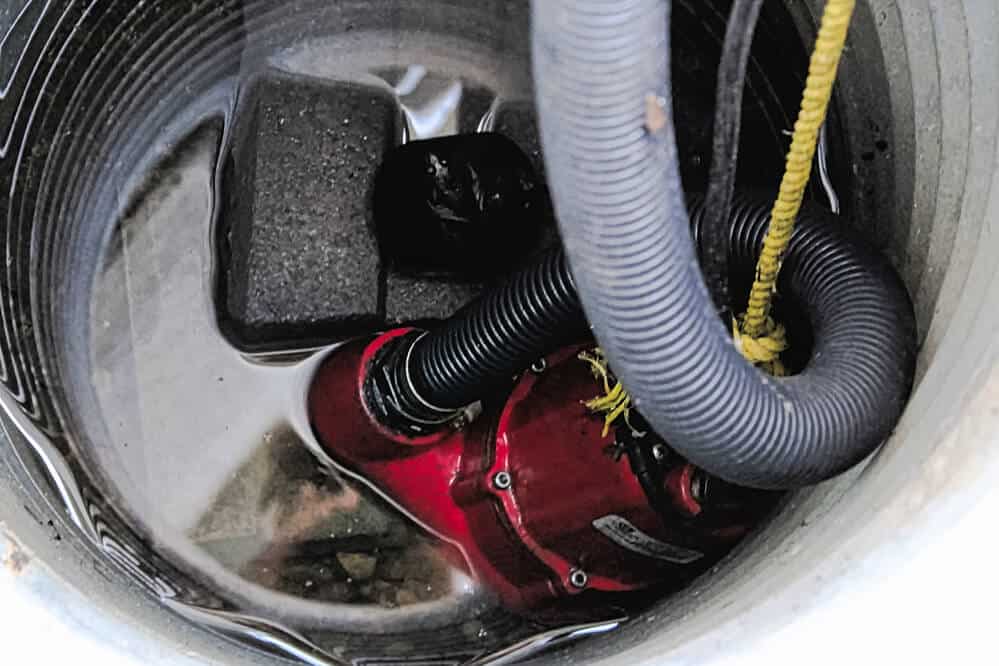
A standard sump pump Raleigh installation pairs an AC‑powered primary pump with interior drains or a footing drain. A battery backup sump pump Raleigh package adds a DC pump, float, controller/charger, battery, and alarms. If power fails—or if inflow briefly outruns the primary—the backup engages instantly. Homeowner guidance from FEMA explicitly recommends a sump system with a battery‑operated backup to cover outages. (Ready.gov)

Premium kits self‑test and send app alerts; for example, Zoeller’s Aquanot 508 lists internet‑connected monitoring and continuous pumping capability on battery within spec. (Zoeller Pump Company)

Controller must‑haves: self‑test routine, high‑water and low‑battery alarms, event logs, and Wi‑Fi notifications. Ask your installer to label the actual head height (from waterline to outlet). Every performance number hangs on that dimension.


Sizing a battery backup sump pump Raleigh system you can trust

Bigger numbers on a box aren’t enough. Size for your site:

  1. Estimate inflow using design rainfall. Pros reference NOAA Atlas 14 to frame “how hard, how long” events can be at your address. Your goal: choose a backup that moves 60–100% of the primary’s rated flow at your actual head (vertical rise + friction). (National Weather Service HDSC)
  2. Read curves at head. Many DC backups list 1,000–1,800 GPH @ 10 ft; performance falls at 12–14 ft. Use manufacturer curves and verify battery draw at your head (see Zoeller Aquanot 508). (Zoeller Pump Company)
  3. Runtime is system‑level. Healthy AGM batteries deliver hours of continuous pumping and days on intermittent duty; many controllers support dual batteries to extend runtime (see Basement Watchdog maintenance checklist for battery care that preserves capacity). (The Basement Watchdog)
  4. Discharge route capacity. Your sump pump Raleigh discharge must handle peak flow without recirculating near the footer; plan for freeze protection and an accessible, code‑compliant outfall.

Oversize when you have finished space below grade. That’s the line between a close call and a costly claim.


Batteries (AGM vs. lithium) and when water‑powered backups fit

AGM batteries are rugged, widely compatible with sump controllers, and tolerate colder temps. Lithium packs are lighter, hold energy well, and recharge faster—but they cost more and require controller approval. Match chemistry to controller specs and ambient conditions.

Water‑powered backups (e.g., Liberty’s SJ10) eject sump water using city pressure. They run as long as pressure holds and don’t depend on stored electricity, but they consume water and create a cross‑connection risk that must be mitigated with the specified RPZ backflow assembly. Raleigh actively enforces backflow protection and testing (see Cross‑Connection Control program and the Backflow testing schedule). (libertypumps.com)

For many homes, a strong battery backup sump pump Raleigh setup is the cleaner solution; water‑powered units make sense where outages are extended and water pressure is reliable.


Legal discharge & backflow: Raleigh rules that shape your quote

Allowed to MS4 when clean. Raleigh’s ordinance lists “collected groundwater and infiltrated stormwater from basement or crawl space pumps” among allowed non‑stormwater discharges to the MS4—so long as water quality isn’t degraded (see Illicit Discharge Ordinance). (North Carolina)

Not to sanitary. City code is unambiguous: no surface water drainage to sanitary sewer. A sump pump Raleigh line belongs on an approved storm route, to daylight, or to an engineered dry well—not to sanitary (see Raleigh UDO). (Raleigh UDO)

Backflow matters. Any potable tie‑in (water‑powered backups, irrigation) must comply with Raleigh’s Cross‑Connection Control program and the Backflow testing schedule. (Raleigh NC)

If your parcel fronts sensitive waterways or sits in a regulated overlay, your contractor should also confirm MS4 permit conditions (see Stormwater Management Plan and EPA MS4 guidance). (Raleigh NC)


Maintenance: the habit that keeps a battery backup sump pump Raleigh system honest

A backup you never test is a siren, not a safeguard.

Every 4–6 months: Run the backup float, verify alarms, inspect terminals, and record resting voltage. Major manufacturers recommend this cadence (see Basement Watchdog maintenance checklist). (The Basement Watchdog)

Before named storms: Clear the pit, verify the check valve, confirm the charger status, and perform a bucket test. FEMA offers a simple refresher on sump basics. (Ready.gov)

Annually: Inspect the discharge for blockages, freeze‑ups, or back‑pitch; re‑seal penetrations.

Every 3–5 years: Replace batteries per the controller’s guidance.

Build this schedule into your calendar the same way you do HVAC filters and smoke alarms.


Integrating pumps with drainage and envelope (for lasting results)

Pumps manage events; building science reduces exposure. For best results, pair your sump pump Raleigh plan with exterior grading and downspout routing sized to local design rainfall (see NOAA Atlas 14). (National Weather Service HDSC)

Where humidity and condensation drive odor or mold, combine the battery backup sump pump Raleigh package with basement moisture control and crawl space repair & encapsulation. Chronic wall seepage or cove joint leaks? Tie interior drains and coatings into the basin as part of comprehensive foundation waterproofing.

If you want a single accountable team to spec, install, and maintain the system—and address the upstream causes—our crews can package the pump and drains within broader waterproofing services. Meet the people who will be on‑site on about us or schedule a site visit via contact us.


Practical checklist (Raleigh‑specific)

  • Request a battery backup sump pump Raleigh quote that specifies controller model, battery chemistry/capacity, pump GPH at your head, and alarm/app features.
  • For water‑powered options, confirm the RPZ device and compliance steps under the Cross‑Connection Control program and Backflow testing schedule. (Raleigh NC)
  • Ensure your contractor cites the ordinance allowing basement/crawl pump discharge to storm and the prohibition on surface water to sanitary (see Illicit Discharge Ordinance and Raleigh UDO). (North Carolina)
  • Document expected runtime (e.g., at 25% duty over 8 hours) and whether the controller supports dual batteries.

FAQs

  1. Do I need a backup if my primary is new?
    Yes. Storms and grid stress are correlated here. A battery backup sump pump Raleigh plan keeps water moving during outages; FEMA explicitly recommends a battery‑operated backup. (Ready.gov)
  2. Where can I legally discharge in Raleigh?
    To storm (MS4) when water is uncontaminated, not to sanitary. The allowed list includes basement and crawl space pumps; sanitary tie‑ins are prohibited (see Illicit Discharge Ordinance and Raleigh UDO). (North Carolina)
  3. How long will the backup run?
    It depends on inflow, head, and battery capacity. Manufacturer literature documents hours of continuous pumping and days on intermittent duty, with options for dual batteries (see Zoeller Aquanot 508 and Basement Watchdog maintenance checklist). (Zoeller Pump Company)
  4. Are water‑powered backups allowed?
    Yes, but they require proper backflow assemblies (often RPZ) and adherence to Raleigh’s Cross‑Connection Control program and Backflow testing schedule (see also Liberty SJ10 spec). (Raleigh NC)
  5. How often should I test?
    At least every 4–6 months and before named storms—float, alarms, charger, discharge route (see Basement Watchdog maintenance checklist and FEMA). (The Basement Watchdog)
  6. Does rainfall intensity really matter for sizing?
    Yes. Raleigh–Durham hourly rainfall intensity has increased; design and sizing should respect NOAA Atlas 14, with context from Climate Central and PBS North Carolina. (National Weather Service HDSC)
  7. What about soils?
    Piedmont regolith and saprolite store and transmit groundwater that loads foundation drains after storms—another reason to oversize a sump pump Raleigh system (see USGS). (U.S. Geological Survey)
  8. Can I rely on app alerts alone?
    Use them—but verify performance with physical tests and documented runtime. Alarms don’t move water; pumps do.

Sources

Liberty SJ10 — RPZ requirement, spec sheet (libertypumps.com)

Five Ways to Help Waterproof Your Basement

July 19th, 2021

Five Ways to Help Waterproof Your Basement

Have you decided to waterproof your basement? An experienced contractor offers valuable technical assistance completing this project. Dry, comfortable premises contribute to the long term value of real estate in North Carolina. Consider exploring some of these important waterproofing technologies soon.

The Importance of Careful Planning to Waterproof Your Basement

Before discussing basement moisture control & waterproofing measures, it seems important to mention one key point. The steps required to waterproof a basement vary, based upon the circumstances. Every project remains unique.

For example, one homeowner may struggle to correct seasonal flooding caused by water intrusions. Another might obtain the best waterproofing results installing a rooftop gutter system. A third residence might simply require sump pump maintenance. Before you waterproof your basement, consider discussing this project in depth with an experienced contractor. This precaution usually helps save time, money, and aggravation.

Five Ways to Help Waterproof Your Basement

In North Carolina, several basement waterproofing measures enjoy wide popularity. It may prove helpful to explore some of these projects with your waterproofing contractor:

One: Install a Sump Pump

One popular way to help waterproof a basement involves adding a sump pump. Choose either an above-drain pedestal model or a below-drain submersible pump. Your contractor can help you select the best type for your basement floor plan.

Gravity causes leaking water to flow towards the lowest point in a home. Placing a sump pump in this location offers a way to force water down a drain. It helps prevent the formation of stagnant pools of standing water indoors. Many homes in North Carolina benefit significantly from this technology.

Two: Add a Rooftop Gutter System to Your Home

Occasionally, damp basements result from inadequate rooftop guttering systems. This problem sometimes surprises homeowners. Yet in North Carolina, residential roofs often receive high volumes of rain. It proves vitally important to channel this moisture away from the perimeter of the home.

When you waterproof your basement, always pay close attention to the condition of the surrounding ground. Does water saturate the soil adjoining your home’s basement? Has this situation allowed water to seep into the home? Would adding a new rooftop gutter and downspout system to your residence correct this problem? A waterproofing expert can help answer these questions.

Three: Construct an Interior Basement Drain

You may also decide to waterproof your basement by building a new interior basement drain. This step requires the assistance of a skilled contractor. You’ll want to ensure the construction project won’t accidentally damage your home’s foundation.

In many cases, adding an interior basement drainage system works very well. This step may help prevent basement flooding, in fact. The project often proves highly cost-effective over the long term. Invest in preventing basement water damage.

Four: Install a Dehumidifier

Sometimes the installation of a dehumidifier greatly assists basement waterproofing. However, first it is very important to identify the most likely cause of a damp basement. Hot, humid conditions in North Carolina sometimes contribute to water condensation. The installation of a dehumidifier may solve this problem.

Dehumidifiers today fall across a spectrum of prices. Therefore, consider asking your waterproofing contractor to assist you. More often than not, an experienced contractor supplies turnkey services installing basement dehumidifiers.

Five: Waterproof Your Basement Doors And Windows

Water seeping indoors through doors and windows also causes wet basements. Not every homeowner in NC encounters this problem. Residential floorplans, prevailing weather conditions, and landscaping features differ, of course. Yet water intrusions potentially produce significant damage unless corrected.

To waterproof your home in this situation, consider asking an experienced waterproofing contractor to inspect the basement. Many technologies offer effective assistance preventing water seepage through below-ground level windows or doors. Typical solutions may involve replacing doors and windows and/or installing window wells.

Waterproof Your Basement This Year

Selecting a skilled waterproofing company remains perhaps the single most important step in securing effective residential waterproofing. Have you decided to waterproof a basement or a crawl space this year? If so, Drainage & Waterproofing Solutions, LLC offers valuable assistance. We serve clients across the Greater Raleigh Area. Our service zone includes Southern Pines and Fayetteville, NC.

We welcome the opportunity to serve as your waterproofing contractors. To discuss your project, simply contact our company. Call us at 919-508-7503. We look forward to speaking with you soon!

Five Ways to Help Waterproof Your Basement

Homeowners: Six Key Points About Sump Pumps And Insurance Protections

November 12th, 2020

Sump Pumps – Today, homeowners across North Carolina widely appreciate the need for adequate property waterproofing. Even a limited water backup incident sometimes produces thousands of dollars of damage. By working closely with an experienced waterproofing firm, residents obtain assistance in reducing water intrusions risks. In many cases, an expert will advise a property owner to install a sump pump and a backup pumping system.

Although rare, sump pump failures do occur sometimes. Have you taken steps to protect yourself from property losses in this situation? Knowing six key pieces of information proves helpful.

Sump Pumps

Avoiding Water Damage Losses

A sump pump in a basement or a laundry room may help prevent costly water backup losses. In some cases, a broken water pipe or a leaky hot water heater causes expensive damage. When water begins pooling in a home, the sump pump helps channel this runoff safely outdoors.

Unfortunately, sump pump failures (while infrequent) do entail considerable expense. Water readily damages floor coverings, appliances, and furniture. Additionally, malfunctions sometimes require drywall replacement. Property owners may need to conduct mold testing after this type of incident.

Six Key Points

The topic of sump pumps and insurance sometimes appears complicated. Waterproofing companies urge customers to investigate this subject before an emergency arises. Also, ensuring adequate protection for your home against water damage proves important. Additionally, knowing six vital pieces of information assists most homeowners in North Carolina:

1. Many Modern Sump Pump Brands Include Warranties

Fortunately, most high-quality sump pumps arrive with manufacturer warranties. Also, these contracts help protect purchasers against faulty pumps and components. Also, always retain this documentation (in case you need it later if the pump malfunctions). Remember to check the time period covered by the product warranty.

2. Homeowners Insurance Typically Doesn’t Cover Sump Pump Failures

What happens if a pump stops working unexpectedly and water damage results? Typically, a homeowner’s insurance policy won’t cover this type of loss. You’ll usually require a special policy rider to obtain protection against water damage.

3. Obtain a Policy Rider to Cover Water Backup And Sump Pump Failure

Some insurance companies offer policy riders covering water backup and sump pump failures. Sump pumps usually don’t fail. Yet losses may prove catastrophic when a breakdown occurs. This type of rider generally costs an extra $50 to $250 in premiums annually.

4. An Equipment Breakdown Endorsement Helps Replace Damaged Sump Pumps

Homeowner’s insurance policy riders for water backup and sump pump failures don’t cover sump pump replacement costs. Also, look to manufacturer warranties for this protection. Additionally, purchasing a separate homeowner’s equipment breakdown endorsement offers additional coverage, too. Furthermore, make sure the rider specifies coverage for residential sump pumps.

5. Did Sump Pump Failure or Flood Damage Occur?

If flood damage or basement leaking harms your home (as opposed to a sump pump failure), insurance usually won’t cover the loss. Also, an adjuster makes this critical determination. Furthermore, consulting with your attorney may prove helpful if you feel coverage was denied unfairly.

6. You Must Perform Sump Pump Maintenance to Recover For a Pump Failure Claim

Consider keeping a sump pump maintenance logbook. Record measures are taken to test and maintain home sump pumps as they occur. Also, note the date. Additionally, this documentation proves valuable if the pump ever fails. An insurance adjuster may demand proof that you regularly took steps to maintain the equipment.

Request Affordable Waterproofing Assistance

Furthermore, do you have concerns about the reliability of your home’s sump pumps in NC? Drainage & Waterproofing Solutions, LLC offers valuable assistance! We help customers in Raleigh, Southern Pines, and Fayetteville (and outlying areas). Additionally, ask us to assist you in waterproofing your home or business effectively.

For example, we sometimes recommend the installation or replacement of residential sump pumps. Also, our company assists customers in maintaining dry, watertight basements, and crawl spaces. We work closely with customers to help them develop long term waterproofing plans.

Our company offers a full range of waterproofing services. We possess personal familiarity with conditions in this region of North Carolina. Contact us online, or call us at 919-508-7503 or 919-235-5219. Lastly, we look forward to meeting you!

Add Sump Pump Installation to Your List of New Year’s Resolutions

December 15th, 2018

Sump Pump Installation

As a new year begins, many Raleigh homeowners find themselves compiling lists of important resolutions. Also, these affirmations sometimes concern enhancing the comfort of residential property. For example, a Raleigh homeowner might decide to make significant investments in the family home this year. Did you know, perhaps the single most cost-effective change you might consider involves installing a sump pump (or a backup sump pump) in the basement? As a full-time waterproofing company, Drainage & Waterproofing Solutions LLC pays close attention to sump pump technology. Also, a growing number of builders routinely include these useful devices in new construction. Why? Sump pumps work 24/7/365 to help prevent basement flooding!Sump Pump Installation

About Sump Pump Technology

A sump pump typically sits directly above or below a basement drain. It helps push water out of the dwelling through a wastewater drainage pipe. Also, this comparatively inexpensive device often performs an important role in preventing the formation of standing puddles in residential and commercial basements.

By helping ensure basements won’t become dank, uncomfortable, wet locations, a well-maintained sump pump more than pays for itself! Many homeowners seek professional sump pump installation services. Also, it usually makes sense to ask a waterproofing technician to periodically inspect and clean the sump pump, also. Over time, this hardworking piece of equipment requires periodic maintenance to remain fully effective. Leaking water often carries along tiny pebbles, dust particles, and other debris. Also, the sludge will accumulate over time, and may eventually impair the operation of the sump pump.

Your New Year’s Resolutions: Three Reasons to Include Sump Pump Installation

Why does obtaining sump pump installation (or maintenance) services deserve a place on a Raleigh area property owner’s resolution list? (Admittedly, this goal does not usually generate in most individuals the same enthusiastic level of interest as more exciting aspirations. Earning extra income, losing weight, or traveling to exotic vacation destinations usually appeal to more people!)

Yet a simple sump pump offers solid value. Owning a reliable one might help you prevent some unwelcome bills later in the year!(1) Consider three excellent reasons to include the installation and/or maintenance of this item on your current action list:

1. A sump pump works around the clock.

This simple device pumps water reliably. Since water will drain downhill to collect in the lowest level of the home, a sump pump may prevent basement flooding. Also, imagine how pleased you’ll feel that you maintained your home’s sump pump in good working order if you ever awaken one morning to discover a water pipe in the basement sprung a leak during the middle of the night!

2. Sump pumps function cost effectively.

The Angie’s list website reports in 2012 the average sump pump replacement cost in the United States hovered in the low $400 range. Most homeowners still pay less than $600 for this technology.(2) With proper care, this device should continue working for up to a decade. A modest pro rated annual investment of $50 to $60 a year in sump pump technology helps some households prevent very expensive basement flooding.

3. In some cases, a sump pump represents the first line of defense against water damage.

Numerous strong reasons suggest property owners in the Greater Raleigh Area should consider a persistently wet basement a potentially significant safety and health issue. Also, the list of problems caused by water standing in a basement over extended periods of time proves extensive. Additionally, some of the most significant hazards include:

  • Wet, damp, uncomfortable indoor conditions;
  • An environment conducive to mold and mildew growth;
  • Damage to fabrics, drywall, wood, cement, and masonry in the home;
  • An increased risk of insect infestations (e.g. termites attracted by rotting wood, and some species of mosquitoes attracted by wet indoor environments);
  • The loss of potentially useful floor space in the basement, and more.

By helping a property owner keep the lowest level of a residence (or a commercial building) dry and comfortable, a simple sump pump often prevents literally tens of thousands of dollars worth of damage.(3) The small cost of maintaining this tool in good working order sometimes yields extraordinary benefits!

Further Information

As issues of global warming and climate change assume prominence in news headlines, the waterproofing of residential and commercial realty poses a particularly important consideration for property owners in North Carolina. Also, to obtain experienced assistance with sump pump installation and maintenance (or with any other structural waterproofing and yard drainage issue), simply contact Drainage & Waterproofing Solutions LLC in the Greater Raleigh Area. We also serve customers throughout Southern Pines, Fayetteville, and outlying communities. Lastly, Dial 919-235-5219 to schedule a convenient appointment now.

Helpful Resources

1. https://www.drainagenwaterproofing.com/category/sump-pumps/
2. https://www.angieslist.com/articles/how-much-does-sump-pump-replacement-cost.htm
3. https://www.drainagenwaterproofing.com/basement-moisture-control/

Six Interesting Trivia Facts About Sump Pumps

April 5th, 2018

New sump pumps Sump Pump Trivia Facts

Today one of the first lines of defense against wet basements often involves sump pumps. Yet this important home improvement technology usually receives little attention from the news media. Many people find the topic of basement sump pumps a bit confusing, in fact.

A sump pump typically operates within a “sump pit” situated in the lowest level of a basement. Although in some cases simply installing a new sump pump won’t completely solve a complex waterproofing problem, these devices usually play important roles in the solution. They help remove water from low-lying locations.

We’ve collected some interesting facts about sump pumps. If you enjoy playing trivia games, you might enjoy testing your knowledge about these pumps. See how many of your friends know this information:

1. Sump Pumps Occur in Two Main Styles

Today, two main styles of sump pumps have obtained widespread popularity:

a pedestal (or “above-water level” pump) and a submersible (or “below-water level” pump). Each type offers both advantages and disadvantages. The engine of a pedestal sump pump perches above the water level, offering a more accessible location for cleaning and maintenance.

By contrast, the engine of a submersible sump pump typically sits within waterproof casing in a location beneath the waterline. Also, this type of pump operates discretely in the background as it pumps away water.

2. Water Pumps Have Preoccupied Engineers For Thousands of Years

The concept of pumping away water has preoccupied human for centuries. However, sump pumps did not obtain frequent use in homes in the United States until the late 1940s and early 1950s.

Efforts to devise systems to move water from one location to another have occurred for centuries. Reportedly, the ancient Greek mathematician and inventor Archimedes even worked on this problem!

3. Sump Pumps Prevent Water From Accumulating Underneath a Basement

While sump pumps may help remove pooled water from flooded basements, they serve another, equally important, function. The pump may help prevent water from accumulating in the ground immediately underneath the basement. Where it might eventually cause damage.

During the installation of interior drain systems, a waterproofing company may install a sump pump to help pump water from the basement into a pipe or other desired drainage channel.

4. Sump Pumps Benefit From Regular Maintenance

Just like other household equipment, including air conditioners, water heaters, and furnaces, sump pumps will eventually wear out. Also, as they operate, the pumps sometimes accumulate debris from the water, and this sludge may eventually clog the pump and impede its effective operation.

Sump pumps may benefit from periodic testing, maintenance inspections, and (in some cases) cleaning or replacement.

5. Backup Sump Pump Systems Help in Some Situations

Today, waterproof experts usually recommend that you install both a sump pump, as well as a backup sump pump. Also, the backup sump pump is for use if the main pump fails. While not always necessary, this strategy may assist property owners in areas in which sump pumps sustain frequent use.

Drivers who carry along spare tires will appreciate the importance of this type of precaution. The backup system typically operates from a power source which will not fail in the event of a power outage.

6. Malfunctioning Sump Pumps Can Become Dangerous

Keep in mind, sump pumps typically run off electricity and they are submerged in water. Furthermore, they actively pump out water from a basement. It’s important to exercise caution if you operate sump pumps or other hydraulic pumps that connect to a power source. Also, water plus electricity have the potential to spell disaster. Familiarize yourself, be certain to read instruction manuals before you operate sump pumps.

Most noteworthy, water conducts electricity thus it can easily electrocute people. If a flood occurs in your basement, never allow people to blindly wade through the water. Also, if you do have a malfunctioning sump pump, contact with water exposed to a power source could prove dangerous.

The bottom line: you’ll want to take action to prevent basement flooding well before rising water levels can pose a problem in this location.

Our Waterproofing Services

In the Greater Raleigh, Southern Pines, and Fayetteville area, Drainage & Waterproofing Solutions,LLC” offers fast, skilled service installing sump pumps and French Drains.

We address many different types of waterproofing challenges to help homeowners maintain dry, secure basements and crawl spaces.

We install interior drain systems, seal crawl spaces, and build retaining walls. Also, customers also seek our assistance to control and direct drainage through yards.

When you require expert services that involve these home improvement issues

Call Drainage & Waterproofing Solutions,LLC”

919-235-5219

OR

Reach Us Via Our Convenient Website Contact Form

Let Us Solve Your Misplaced Water Problems

Useful Information:

1. http://www.divbio.eu/2016/03/20/a-brief-history-of-sump-pump/
2. https://home.howstuffworks.com/home-improvement/plumbing/sump-pump.htm
3. https://en.wikipedia.org/wiki/Sump_pump
4. https://www.cincinnati.com/story/news/2018/02/25/flooded-basement-some-dos-and-dont/371203002/
5. https://en.wikipedia.org/wiki/Hydraulic_pump