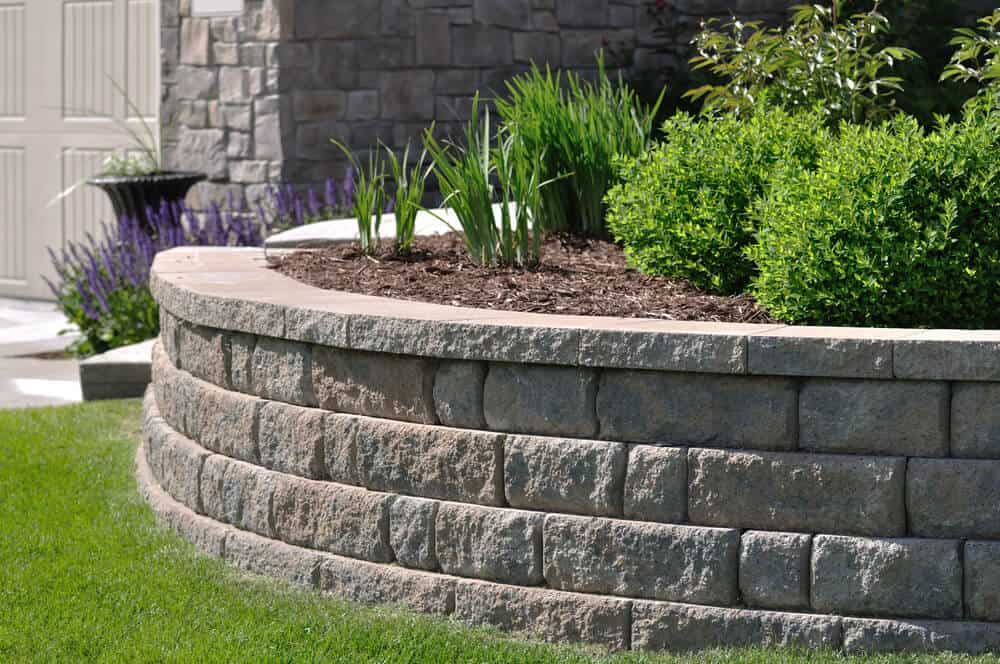
Retaining Walls Raleigh NC: How Smart Design and Drainage Protect Your Yard and Foundation

January 14th, 2026

Sloped Raleigh yards battle erosion and pooling from clay soils and downpours, putting constant pressure on landscaping and foundations. Retaining walls Raleigh NC stabilize soil, create usable outdoor living areas, and incorporate smart drainage to avert hydrostatic failures that can crack walls and flood basements.redwoodlanddesign+1​

Drainage & Waterproofing Solutions LLC, a family-run company with 20+ years of experience, designs and builds retaining walls Raleigh NC that blend segmental blocks, poured concrete, and integrated French drains to deliver long-lasting performance in local conditions. Cracking walls, sinking sections, or washouts after heavy rains are all signs it may be time to repair, rebuild, or add new retaining walls Raleigh NC to protect your property.westwallhardscapes+1​


Functions of Retaining Walls Raleigh NC

Retaining walls Raleigh NC do much more than “hold dirt in place.” They act as structural systems that allow contractors to cut into slopes, create flat terraces, and control the way water moves across your lot. On properties with grades steeper than about 1:3, retaining walls Raleigh NC make it possible to add patios, walkways, play spaces, and garden beds where the land would otherwise be unusable.

A properly engineered wall also works like a drainage feature, directing runoff away from basements and crawl spaces in hilly North Raleigh and surrounding neighborhoods. Beyond function, retaining walls Raleigh NC add visual interest and curb appeal by introducing texture, height changes, and planting pockets that break up large expanses of lawn.drainagenwaterproofing+1​


Types of Retaining Walls Raleigh NC

There are several structural styles used for retaining walls Raleigh NC, and each is chosen based on height, soil conditions, and the look the homeowner wants. Segmental block systems (often called interlocking or Keystone-style walls) are a common choice for residential projects under about 4 feet because they stack without mortar, lock together mechanically, and can flex slightly with soil movement. Gravity walls rely on their own mass—using large blocks, stone, or concrete—to resist the pressure of the soil behind them.

For taller projects, cantilevered retaining walls Raleigh NC use an L-shaped concrete footing and reinforced stem wall so the soil’s weight actually helps hold the wall in place. On very steep or heavily loaded slopes, anchored systems add tiebacks or soil nails driven back into stable earth behind the wall for extra support. Many modern retaining walls Raleigh NC use permeable block faces or built-in voids that allow water to escape instead of building up behind the wall.58foundations+1​


Drainage Integration in Retaining Walls Raleigh NC

Hydrostatic pressure is one of the main reasons retaining walls Raleigh NC fail prematurely. When water gets trapped behind a wall, it exerts tremendous force that can cause bowing, cracking, or complete collapse over time. To prevent that, experienced builders integrate drainage features during construction, instead of treating them as an afterthought.

Typical details include a column of clean gravel behind the wall, a perforated drain pipe at the base, and weep holes spaced every few feet so water can escape safely. In taller retaining walls Raleigh NC, contractors may also install chimney drains that run vertically through the backfill and connect to the lower drain pipe, further reducing water pressure. Geogrid or other soil reinforcement products are often layered into the backfill and attached to the wall units to help lock the soil mass and drainage zone together.raleighdrainpros+1​


Site Prep for Retaining Walls Raleigh NC

Successful retaining walls Raleigh NC start with careful site preparation and design, not just stacking blocks and hoping for the best. Crews should locate underground utilities, measure slopes, and identify any “surcharges” like driveways, parking areas, or large trees that will add extra load to the wall. The excavation typically involves cutting a level trench for the base and removing any organic material that could rot or settle over time.

Once the trench is dug, a compacted base of crushed stone is installed and compacted to a high density—often 95% Proctor or better—to provide a stable foundation. In Raleigh’s expansive clay soils, soil testing and geotechnical input are important so retaining walls Raleigh NC are designed with the right footing dimensions, drainage, and reinforcement to handle seasonal shrink-swell cycles.drainagenwaterproofing+1​


Step-by-Step Retaining Walls Raleigh NC Construction

The build sequence for most retaining walls Raleigh NC follows a consistent pattern, whether the wall is made from modular blocks or poured concrete. The base course is the most critical: contractors carefully level and align the first row of block or the footing surface, because any error here will multiply as the wall goes up. With block systems, each subsequent course is staggered and set back slightly, with cores often filled with gravel for weight and drainage.

Behind the wall, backfill is placed in thin lifts and compacted, with layers of geogrid reinforcement extending back into the slope at prescribed heights. Drainage pipe is laid at the bottom and wrapped in fabric and gravel. As the retaining walls Raleigh NC rise to their finished height, caps or coping units are installed on top, and the surrounding area is graded to direct surface water away from the wall. At the end, homeowners can add planting pockets, lighting, and irrigation sleeves so the wall integrates seamlessly into the landscape design.raleighdrainpros+1​


Segmented Block Retaining Walls Raleigh NC

Segmented block retaining walls Raleigh NC are popular because they balance strength, flexibility, and aesthetics. Interlocking concrete units are engineered with lips or pins that mechanically connect each course, reducing the risk of sliding. These walls are dry-stacked, so small movements in the soil do not automatically crack the structure the way a rigid masonry wall might.

For taller installations, designers incorporate multiple terraces, geogrid reinforcement, and carefully sized footing areas to keep the retaining walls Raleigh NC stable up to 10 feet or more. Blocks are available in a range of colors and face textures, from split-face to tumbled, so the wall can echo the home’s brick, stone, or stucco finishes.redwoodlanddesign+1​


Poured Concrete Retaining Walls Raleigh NC

Poured concrete retaining walls Raleigh NC deliver a more monolithic look and are often chosen for modern homes or where high loads and tight footprints demand maximum strength. These walls are built by setting up forms, placing rebar cages, and pouring structural concrete in a single pour or in lifts, depending on height. Because they are continuous, they can handle taller elevations and higher surcharges, particularly along driveways and parking pads.

After curing, poured retaining walls Raleigh NC can be parged, painted, or clad with stone veneer to improve appearance. Builders can also embed conduits during the pour for future electrical, lighting, or drainage features, which is useful for outdoor kitchens, seating areas, or stairways incorporated into the wall system. Decorative stamping or form liners can mimic stacked stone or brick, giving homeowners the look of a masonry wall with the strength of steel‑reinforced concrete.drainagenwaterproofing+1​


Timber and Natural Stone Retaining Walls Raleigh NC

For clients who prefer a more rustic or natural aesthetic, timber and boulder retaining walls Raleigh NC offer attractive alternatives. Pressure-treated timbers can be stacked and anchored with rebar, deadmen, or earth anchors to resist soil pressure, making them a cost-effective choice for shorter walls and garden terraces. Natural stone or boulder walls rely on weight and careful stacking, often without mortar, to create permeable structures that allow water to pass through instead of pushing against the face.​

Because these materials blend seamlessly into wooded or heavily landscaped lots, timber and stone retaining walls Raleigh NC are often paired with native plantings, groundcovers, and dry creek beds for a very organic look. However, the design and drainage requirements are just as important as with concrete systems; proper anchoring, backfill, and weep paths are essential to avoid bulging, rot, or frost damage over time.raleighdrainpros+1​


Common Failures and Fixes for Retaining Walls Raleigh NC

Homeowners typically notice problems when retaining walls Raleigh NC begin to lean outward, bulge in the middle, or develop stair-step cracks along mortar joints. These issues usually trace back to missing or undersized drainage, poor compaction, or inadequate reinforcement in the original construction. Another red flag is soil or mulch washing out through the face of the wall after heavy rains, indicating that fines are migrating with water and undermining the structure.

In many cases, drainage can be retrofitted by coring weep holes, adding relief pipes, and rebuilding sections with proper gravel backfill. More severe failures may require partial or full replacement, with helical piers or other foundation support added under the footing to stabilize the new retaining walls Raleigh NC on marginal soils. Working with a specialist like Drainage & Waterproofing Solutions LLC helps ensure the root causes are addressed, not just the cosmetic symptoms.


Permits and Codes for Retaining Walls Raleigh NC

Wake County and many local municipalities require permits for retaining walls Raleigh NC that exceed a certain height, commonly around 4 feet, especially if they support structures, parking, or public areas. Walls above this threshold often need stamped engineering drawings and may require inspections during construction to verify footing depth, reinforcement, and drainage.

Building codes reference sections of the International Residential Code and related standards to ensure retaining walls Raleigh NC are designed for lateral earth pressure, groundwater, and surcharge loads. Professional contractors handle permit applications, coordinate with engineers, and document the work, giving homeowners peace of mind and preserving resale value by showing the wall was built to current code.drainagenwaterproofing+1​


Landscaping with Retaining Walls Raleigh NC

From a design standpoint, retaining walls Raleigh NC are one of the most powerful tools for transforming a sloped yard into a layered outdoor living space. Tiered walls can carve out flat platforms for patios, fire pits, play areas, and vegetable gardens, effectively doubling the usable space on a steep lot. Short seating walls can define outdoor rooms, while taller walls can frame stairways leading from one level to the next.

Planting plans often include cascading perennials, ornamental grasses, and shrubs that soften the hard edges of the wall and provide four-season interest. Low‑voltage LED uplights can be integrated into retaining walls Raleigh NC to highlight textures at night and improve safety along steps and paths. With the right mix of structure and greenery, the wall becomes a centerpiece rather than just a functional necessity.raleighdrainpros+1​


Retaining Walls Raleigh NC and Foundation Protection

Beyond aesthetics, retaining walls Raleigh NC play an important role in protecting foundations, basements, and crawl spaces from water and soil movement. Properly placed walls intercept surface runoff and redirect it away from the home, reducing saturated soils against basement walls and slab edges. When retaining walls are paired with French drains, downspout extensions, and sealed crawl spaces, they form a comprehensive defense against moisture and settlement.

In areas with high water tables or steep drop‑offs near the home, retaining walls Raleigh NC can also be used to “bench” the grade, creating a gentler slope and reducing the risk of erosion around foundation footings. This kind of integrated approach is a hallmark of drainage specialists who understand both structural and waterproofing concerns.drainagenwaterproofing


Maintenance for Retaining Walls Raleigh NC

Like any exterior structure, retaining walls Raleigh NC require periodic inspection and maintenance to perform at their best over the long term. Homeowners should check at least once a year for new cracks, shifting blocks, or areas where soil is washing out, particularly after major storms. Keeping weep holes clear of leaves, mulch, and debris is crucial so trapped water does not build up behind the wall.

Vegetation also needs to be managed carefully around retaining walls Raleigh NC. Deep‑rooted trees and shrubs planted too close to the wall can exert pressure or exploit small cracks, while groundcovers and shallow‑rooted plants are generally safe. Professional inspections every few years can catch subtle changes early, allowing cost‑effective repairs instead of full replacement.redwoodlanddesign+1​


Retaining Walls Raleigh NC for Basements and Crawl Spaces

In homes with exposed basements or high crawl space entrances, retaining walls Raleigh NC often frame walk‑out areas, outdoor stairs, or access doors. These walls help maintain positive drainage away from entry thresholds and keep backfill from slumping against foundation walls. By combining retaining walls with exterior waterproofing membranes, perimeter drains, and sealed crawl spaces, contractors can greatly reduce the risk of water intrusion into lower levels.southern-energy

This is especially important in parts of Raleigh where steep driveways lead down to basement garages; properly engineered retaining walls Raleigh NC can accommodate vehicle loads while still protecting adjacent foundation walls from pressure and moisture.


Engineering for Tall Retaining Walls Raleigh NC

When retaining walls Raleigh NC reach heights of 8, 10, or even 15 feet, geotechnical engineering becomes essential. Engineers analyze soil properties, groundwater conditions, and loading from buildings or traffic above the wall to determine the required footing size, reinforcement, and use of tiebacks or counterforts. In some cases, they may recommend stepped or terraced walls instead of a single tall structure to distribute loads more evenly.

These engineered systems often incorporate geogrid layers extending many feet back into the hillside, turning the wall and reinforced soil mass into a single, stable structure. For homeowners, the benefit is a retaining walls Raleigh NC system that not only looks good on day one but is designed to perform safely for decades, even under extreme weather and soil conditions.


Why Drainage & Waterproofing Excels in Retaining Walls Raleigh NC

Drainage & Waterproofing Solutions LLC combines drainage expertise, structural insight, and a strong safety culture to deliver retaining walls Raleigh NC that solve both erosion and water problems at once. With more than 20 years of hands‑on experience, the team has seen a wide range of failure scenarios and knows how to design around Raleigh’s challenging soils and rainfall patterns.drainagenwaterproofing

Accreditation, customer-focused communication, and meticulous workmanship have helped the company build a reputation for reliability in retaining walls Raleigh NC and related services like French drains, sealed crawl spaces, and drainage system inspections. Homeowners can explore recent articles and project highlights on the company’s news page, learn more about retaining wall options, or request an inspection and estimate for their own property through the website.drainagenwaterproofing

Elevate your yard, protect your foundation, and reclaim sloped space with expertly designed retaining walls Raleigh NC.

FAQs

Q1: What types suit retaining walls Raleigh NC?
Segmental blocks, poured concrete, timber, and natural stone are common choices for retaining walls Raleigh NC, each selected based on wall height, soil conditions, and desired aesthetics. Segmental blocks work well for DIY-friendly projects under 4 feet, while poured concrete handles taller, high-load applications near driveways.​

Q2: How much do retaining walls Raleigh NC cost?
Retaining walls Raleigh NC typically cost $40-150 per square foot, with quotes factoring in drainage integration, wall height, and site complexity like clay soils or utilities. Segmental block systems fall on the lower end around $50-80/sq ft, while engineered poured concrete for taller walls reaches $80-150/sq ft.​

Q3: Do retaining walls Raleigh NC need permits?
Yes, Wake County requires permits for retaining walls Raleigh NC over 4 feet tall, especially those supporting structures, driveways, or near property lines. Professional contractors manage the permit process, including stamped engineering drawings and inspections to ensure compliance with NC Residential Code standards.​

Q4: Why integrate drainage in retaining walls Raleigh NC?
Integrating drainage prevents hydrostatic pressure buildup behind retaining walls Raleigh NC, which causes bowing, cracking, and eventual collapse from trapped rainwater. Features like weep holes, gravel backfill, and perforated pipes safely redirect water, extending wall life by decades in Raleigh’s wet climate.​

Q5: How tall without engineering for retaining walls Raleigh NC?
Retaining walls Raleigh NC under 4 feet typically don’t require engineering stamps, making them suitable for basic segmental or gravity systems on stable soils. Taller walls need professional geotechnical plans accounting for soil pressure, surcharges, and groundwater to meet safety codes
Q6 When should I repair retaining walls Raleigh NC?
If you see Leaning, cracking or washouts you should consider getting an inspection.

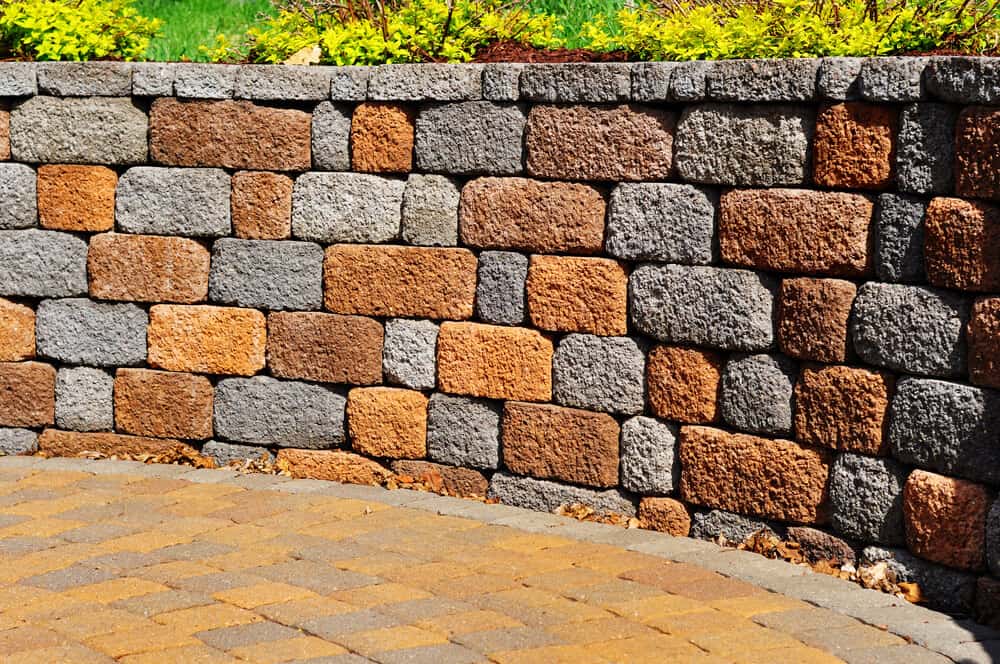
Holding Ground: The Essentials of Retaining Walls in Landscaping

November 3rd, 2023

Retaining Walls in Landscaping

Retaining walls serve as both functional and aesthetic elements in landscaping, holding back soil and adding character to outdoor spaces. In this exploration, we’ll uncover the key aspects from their practical purposes to the diverse materials and design options available, empowering you to make informed decisions for your landscaping projects.


The Purpose of Retaining Walls: They play a crucial role in managing elevation changes in landscapes. They prevent soil erosion, offer structural support to sloped terrain, and create level spaces for gardens, patios, or walkways. Understanding the specific purpose of a the wall—whether for erosion control, creating usable space, or adding visual interest—lays the foundation for a successful landscaping project.


Material Matters: They come in a variety of materials, each with its unique characteristics and aesthetic appeal. From classic brick and concrete to natural stone and timber, the choice of material influences the wall’s durability, maintenance requirements, and overall look. Consider the specific demands of your landscape, such as soil type, climate, and desired aesthetics, when selecting the material for your retaining wall.


Designing for Functionality: Beyond their practical purposes, retaining walls are integral to the overall design of a landscape. Design considerations include the height and slope of the wall, drainage solutions to prevent water buildup, and compatibility with the surrounding environment. The incorporation of steps, curves, or terraces can enhance both the functionality and visual appeal of the retaining wall, creating a harmonious and well-integrated landscape.


Building for Durability: The longevity depends on proper construction techniques. Adequate drainage is critical to prevent water pressure behind the wall, which can lead to structural issues. Compacting the soil properly and using quality materials contribute to the stability and durability of the wall. Professional installation or consultation can ensure that the retaining wall is built to withstand the test of time and environmental factors.


DIY vs. Professional Installation: While there are DIY retaining wall kits available, the complexity of the project often warrants professional installation. Professional contractors bring expertise in assessing the site, engineering the wall for optimal support, and navigating potential challenges. Whether opting for a DIY approach or hiring professionals, ensuring the project aligns with local building codes and regulations is paramount for safety and compliance.


Sustainable Retaining Walls: As sustainability becomes a focal point in landscaping, exploring eco-friendly options for them is essential. Materials like recycled concrete, reclaimed wood, or permeable concrete blocks can contribute to a more environmentally conscious project. Additionally, incorporating native plants and greenery into the design not only enhances aesthetics but also promotes ecological balance.


7. Maintenance Tips: Retaining walls, like any outdoor structure, require regular maintenance to preserve their functionality and appearance. Inspect the wall for signs of erosion, addressing any issues promptly. Clearing debris, maintaining proper drainage, and repointing any loose stones or bricks are key maintenance tasks. Periodic checks and timely repairs can extend the life of your wall.


Conclusion: Retaining walls are not just structural elements; they are integral components of a well-designed and functional landscape. By understanding their purpose, selecting the right materials, and prioritizing proper construction and maintenance, you can create retaining walls that not only stand the test of time but also elevate the beauty and usability of your outdoor space.

Advantages of Properly Planning and Building Retaining Walls

October 2nd, 2021
Advantages of Properly Planning and Building Retaining Walls

Do’s and Don’ts of Building Retaining Walls

Many North Carolina homes are built on properties with slopes, hills or inclines. This makes building retaining walls to prevent landscaping issues, soil erosion and protect your foundation from improper drainage very important. Even a slight incline can keep you from achieving your lawn and garden dreams. The drainage issues such a slope creates can also cost you a lot of money if water reaches your foundation. All of these reasons make building retaining walls a necessity.

Building retaining walls is generally best left to the experts. Although there are many aspects of lawn care that you can DIY, these structures require drainage planning and skillful engineering. Below, we explore some do’s and don’ts of building retaining walls to help you visualize your project and enlist the right professionals when you are ready to begin.

Don’t start building retaining walls without proper permits.

Many communities require permitting before building retaining walls. While this sounds like unnecessary red tape, the permit serves a highly valuable purpose. 

The permit process serves to ensure the walls built on your property do not direct water and drainage problems onto your neighbors’ land. Sometimes these permits require submission of engineering plans and compliance with a property inspection. Your local Raleigh, Southern Pines and Fayetteville area pros of Drainage & Waterproofing Solutions understand your city’s laws and proper methods of building retaining walls.

Do choose materials that suit your property.

Building retaining walls includes the process of choosing the right materials for your property. There are many materials to choose from. You can request natural stones, bricks, poured concrete, timbers and other options. But your best choice are materials designed specifically for this purpose. 

Working with the pros of Drainage & Waterproofing Solutions makes the material selection process easy. We know which materials will suit your terrain and aesthetic when building retaining walls around your home or commercial property. We can make recommendations for the greatest value and longevity of your retaining walls. 

Do choose pros with experience in building retaining walls.

Besides needing expert help in getting through the permitting process for building retaining walls, you need pros who know how to engineer these structures. The last thing you want is a disaster on your hands after a heavy rainfall. 

When building retaining walls, proper engineering means many things. For example, the walls need strong support. This support starts with appropriate trenching and foundation material. 

Your retaining walls also require a perfectly leveled surface. Otherwise, your walls will lean like the Leaning Tower of Pisa before falling apart after a downpour. Any slant at the bottom looks exaggerated at the top.

Proper engineering and for building retaining walls you also must ensure proper stacking of the above-ground materials. While you do not want a wall that improperly leans, you do need one with a slight backward slope to prevent soil erosion. You need walls with appropriate drainage and backfill, too.

Don’t build one wall where you need multiple.

Many people building retaining walls try to cut corners by building one wall where multiple will work better. Tiered walls require close attention to positioning, distance and height to ensure strength and support. 

Having tiered walls instead of one tall one adds visual depth and interest to your property. These shorter walls are less prone to failure, too. Being shorter, they hold less soil weight and therefore experience less pressure. 

The pros of Drainage & Waterproofing Solutions can develop an engineering plan that meets all of the support needs for your property while also providing the most visual interest. 

Do call upon the experts of Drainage & Waterproofing Solutions.

For your Raleigh, Southern Pines, Fayetteville or surrounding area property in North Carolina, call upon the experts of Drainage & Waterproofing Solutions for your retaining wall design, engineering and construction. We are the pros for building retaining walls and other drainage, waterproofing and moisture control services such as:

Call Drainage & Waterproofing Solutions today at (919)508-7503.

Why Retaining Wall Installation Makes Financial Sense

April 12th, 2021

Why Retaining Wall Installation Makes Financial Sense

Today, builders in North Carolina sometimes opt to do retaining wall installation for an entire subdivision. This type of large construction project often produces excellent results. It frequently helps reduce waterproofing concerns within a neighborhood. This outcome, in turn, may boost the value of new homes. Subdivision-wide retaining wall installations also offer several other important benefits.

retaining wall installation

Retaining Walls as Waterproofing Tools

For centuries, human beings have used retaining walls to help control the flow of water. Additionally, in many parts of Asia and South America, terraced retaining walls promoted agriculture along steep mountain slopes. Today, these structures still assist many property owners in preventing erosion. Installing this type of wall sometimes prevents water runoff from damaging building foundations and other structures.

Include Retaining Walls Within Site Development Plans

Developers gain important advantages by considering every aspect of a new subdivision in advance. Managing water runoff and yard drainage issues proves essential, for example. In certain situations, grading hillsides and installing retaining walls during development assists large construction projects. By addressing a subdivision’s retaining wall needs comprehensively, builders may create significantly safer, easier working conditions. Erecting a series of homes often proceeds more cost-effectively this way.

Real Estate Buyers Appreciate Pre-Installed Retaining Walls

Today, buyers sometimes prefer to purchase homes on hillsides already protected by retaining walls. A correctly placed waterproofed retaining wall may help prevent unsightly soil erosion problems. If often helps safeguard building foundations against pooling water. Additionally, well-graded surfaces provide more easily maintained spaces for installing outbuildings, yards, and gardens. Imagine the difference in mowing a level terraced yard compared with one on a steep slope?

Some Benefits of Subdivision-Wide Retaining Walls

When a developer considers the need for subdivision retaining walls comprehensively, a neighborhood avoids many potential water runoff problems. First, HOA covenants may create uniform guidelines for retaining wall installations. This practice often contributes to the aesthetic appeal of the neighborhood.

Second, planning for retaining wall installation comprehensively at the subdivision level often prevents future problems. Developers may create easements for the installation of a long retaining wall across multiple lots. Taking this step alone may prevent dissension and lawsuits at a later date.

Third, by considering water runoff issues comprehensively, a developer can lay out lots and roadways to help minimize residential flooding. New homes tend to command higher sales prices when a builder devotes attention to waterproofing and yard drainage issues. Sometimes new buyers lack the financial resources to install a retaining wall immediately. Also, a builder may view this structure as an essential component of the neighborhood infrastructure.

Assisting Well Established Neighborhoods, Too

Of course, residents in older neighborhoods also frequently discover benefits in considering this issue. In some cases, homeowners join together to install retaining walls across multiple tracts. They may combine resources to repair or replace an aging retaining wall. Taking this step helps property owners create eye-catching neighborhoods. It also helps ensure water runoff creates fewer drainage problems.

Retaining wall installation sometimes proves complex in a well-established development. Furthermore, individual landowners may need to address a variety of unique concerns. Yet in some cases, retaining walls provide excellent solutions for local yard drainage and erosion issues. Requesting a waterproofing inspection conducted by an experienced contractor offers valuable assistance to impacted homeowners.

Obtain Knowledgeable Retaining Wall Installations

Perhaps you’ve contemplated developing a new subdivision in the Greater Raleigh Area? Also, perhaps you simply need to coordinate the construction of several different retaining walls on a large tract? Furthermore, consider calling upon Drainage & Waterproofing Solutions, LLC. We’ll install a single retaining wall or multiple retaining walls.

Our firm specializes in using retaining walls to help waterproof man-made structures. We serve clients across Raleigh, NC. We also provide this service in Fayetteville, Southern Pines, and outlying areas. Our business possesses expertise installing and repairing retaining walls for landowners.

We’ll gladly assist developers and contractors seeking to prepare effective waterproofing plans for new construction. Yet we also help individual homeowners obtain effective solutions for waterproofing problems. Contact us at 919-508-7503 or 919-235-5219 to speak with us. We look forward to helping you!

Call a Retaining Wall Installation Company

January 12th, 2021
Retaining Wall Installation Company

Retaining Wall Installation Company

Has a retaining wall started buckling on your North Carolina property? Fortunately, this problem occurs infrequently today. Yet sometimes, retaining walls near yards, driveways, roads, or flower beds gradually lose proper alignment. Also, the wall may begin cracking or tilting precariously. Furthermore, property owners should not ignore these changes: consider calling a retaining wall installation company for assistance!

Why Buckling Retaining Walls Require Prompt Attention

A buckling retaining wall will eventually break apart completely. This problem sometimes proves quite serious. Also, it may permit retained earth to spill across sidewalks, driveways, or hillsides. Erosion sometimes results after this type of mishap.

If you notice a retaining wall beginning to buckle, consider correcting the problem quickly. The damage to this man-made structure won’t resolve naturally. Property owners essentially enjoy two options in this situation. One completely demolishes the wall (and then rebuild). Two, contact a retaining wall installation company to provide skilled repair services.

Two Common Types of Retaining Walls

A retaining wall installation company typically constructs two basic types of retaining walls. Also, both kinds of walls serve the same basic purpose. These man-made structures help contain soil within a desired location effectively:

1. A Gravity Wall: Very common in NC, these types of walls typically taper in width proceeding from the base to the top. A cross-section of the wall resembles a trapezoid. The thick base of the wall helps confine loose soil within a desired location.

2. A Cantilever Wall: This kind of retaining wall resembles a backwards “L” shape. The long heel of the wall extends deep into the surrounding earth. Typically, heavy steel reinforces the vertical section of this structure.

Retaining Walls And Pressure

An experienced retaining wall installation company understands this structure must withstand considerable lateral pressure. Furthermore, the weight of the retained earth presses against its entire length. Most walls of this type require strength simply in order to remain plumb. Probably for this reason, builders generally use cement, concrete, or heavy stone during retaining wall construction.

Both the height and the thickness of the retaining wall and the amount of contained soil typically matter. A retaining wall installation company needs to exercise care designing retaining walls. Therefore, these structures must resist lateral pressure from the retained earth. Construction errors ultimately weaken this landscaping feature.

The Vital Importance of Proper Drainage

As you probably suspect, yard drainage also impacts retaining walls. Persistently waterlogged soil may contribute to the pressures placed upon this structure. Also, usually, a waterproofing retaining wall installation company will include a drainage system for the wall. Also, this feature helps channel water run off in a desired direction.

Waterproofing companies sometimes serve as installers of retaining walls for this reason. These firms possess the skills needed to assess yard drainage issues. In conclusion, they appreciate the importance of protecting a retaining wall against water damage.

Seven Common Causes of Retaining Wall Buckling

Property owners should remain alert for signs of possible retaining wall problems. Additionally, pay close attention if you notice a wall appearing to bend out of alignment. Also, cracks in this structure often serve as an early warning sign of buckling. Even damage to low-lying retaining walls proves unsightly and inconvenient.

Buckling occurs for a variety of different, complex, reasons. For example, engineers recently listed seven common causes of retaining wall damage:

1. Faulty Design
2. Construction Mistakes
3. Inadequate Drainage
4. Soil Exapansion or Contraction
5. Inadequate Reinforcement
6. Poor Foundation Footing
7. Wall Overloading

It usually makes sound financial sense to obtain fast assistance if you observe possible retaining wall damage. Don’t wait to seek help until the wall actually buckles!

Seek Waterproofing Retaining Wall Installation Company Services

Drainage and Waterproofing Solutions LLC serves as a popular residential retaining wall installation company in North Carolina. Additionally, we help customers across Raleigh, NC by building attractive retaining walls to promote waterproofing. We also offer this service in Fayetteville, Southern Pines, and outlying areas. Call us to install, repair, or replace retaining walls!

Our firm offers basic waterproofing skills to help property owners maintain dry basements, crawl spaces, and foundations. We frequently install French drains and retaining walls, for example. Furthermore, if you need prompt assistance to correct a buckling waterproofing retaining wall, simply contact us. Lastly, call 919-508-7503 or 919-235-5219, we look forward to speaking with you!

Need A New Retaining Wall? Just Call (919) 508-7503

September 17th, 2019

New Retaining Wall

Frequently, our customers North Carolina customers request the installation of a retaining wall on their property. Of course, retaining walls are key elements of creating & maintaining desired yard drainage and prevent soil erosion. At Drainage & Waterproofing Solutions LLC we work hard to please our customers. We construct attractive, durable products that serve their intended purpose for decades. We serve homeowners and businesses in the greater Triangle Area as well as Fayetteville & Southern Pines.

Retaining Wall

Consider three popular reasons why customers ask us to install this important landscaping feature:

One: We Always Consider Waterproofing Issues When We Build Retaining Walls

First, we always pay close attention to yard drainage issues. Ultimately, a well-placed retaining wall may help help re-direct the flow of water through a yard to prevent damaging hillside erosion. It sometimes accompanies the construction of a French Drain, for instance.

A retaining wall enables property owners to grade steep outdoor terrains. This process allows residents to create more useful surfaces for lawns, gardens, or patios. By enabling property owners to control damaging soil erosion, the improvement usually increases the ease of mowing and caring for sloping yards. It may help eliminate muddy “problem” areas on hillsides, for example.

Two: Our Firm Relies Upon Experienced Builders

Second, our company offers the skills of talented, experienced builders. Our experience in the construction field helps us provide high quality, attractive retaining walls. By choosing to erect a stylish retaining wall, landowners maintain realty in a more appealing condition.

No one can guarantee that adding a retaining wall to a property today will result in future realty appreciation, of course. Yet homes which display excellent “curb appeal” frequently do increase in market value over the course of time. By asking Drainage & Waterproofing Solutions LLC to build an attractive retaining wall, a customer in the Raleigh Area gains the assurance the new outdoor feature will enhance (and not detract) from the realty’s appearance. Our company takes great pride in supplying solidly built, fashionable retaining walls. When you select us as your waterproofing landscaping contractor for installing this improvement, you’ll gain peace of mind knowing the final product will furnish literally years of value!

Three: Obtain a Free Written Estimate Before Construction Commences

We maintain a policy of supplying free written estimates before undertaking waterproofing improvements. This practice ensures our customers gain a better appreciation for the costs of the project. We’ll work with you to develop a realistic budget for this undertaking. Ask us to discuss different available building materials and options, so you know right up front what to expect in terms of the total price when you ask us to construct a landscaping retaining wall.

For example, the specific materials used in constructing a retaining wall impact the final price. While concrete offers a very cost-effective component, customers may also choose to include natural stone or pavers in their walls. The size and length of the wall and the extent of any excavations may all impact construction costs, too. Drainage & Waterproofing Solutions LLC strives to supply transparency during the process of planning and erecting new retaining walls.

Request a Personal Consultation

Have you considered installing a retaining wall on your property in the Greater Raleigh Area? Take a moment to schedule an appointment with our firm first. We’ll evaluate this proposed improvement from the standpoint of its impact on yard drainage and waterproofing issues. Our company assists customers by supplying skilled waterproofing inspections in North Carolina.

When we conduct waterproofing inspections, we endeavor to consider yard drainage issues, carefully. We’ll help you consider a variety of available options for maintaining dry, comfortable basements and crawl spaces and well-drained, attractively landscaped yards. Installing a new retaining wall may pose just one possible improvement when a property owner develops a comprehensive long term waterproofing plan for real estate, for example. Sometimes waterproofing contractors suggest additional (or alternative) landscaping measures.

Request Waterproofing Services Now

Would you like assistance installing a well-built, cost-effective retaining wall on your residential or commercial property? We offer this service, as well as a variety of other important waterproofing technologies. Water may cause extensive property damage in the Greater Raleigh Area. To obtain a full spectrum of knowledgeable waterproofing assistance, simply contact Drainage & Waterproofing Solutions LLC today. Reach us conveniently online. You may also call us at 919-508-7503 or 919-235-5219. We look forwards to helping you obtain dry, waterproof premises and well-drained, attractive landscaping.

4 Reasons to Select a Skilled Contractor to Build Residential Retaining Walls

January 17th, 2019

Residential Retaining Walls –

Perhaps you’ve considered installing a retaining wall on your property to help improve water drainage? For thousands of years, this type of structure has offered valuable assistance to homeowners. The installation often occurs in conjunction with grading or terracing. This allows a landowner to create level surfaces on steep hillsides. (1) Today, Drainage & Waterproofing Solutions frequently employs retaining walls in conjunction with built-in drainage systems to help manage the flow of water through a yard or subdivision.
While residential retaining walls remains a popular improvement today, building these structures correctly requires the skills of experienced experts. Also, if you’d like to add this feature to your grounds, several reasons support requesting the assistance of a knowledgeable waterproofing contractor. Just consider a few benefits you’ll receive by taking this step:

Residential Retaining Walls

1. Obtain Experienced Yard Drainage Assistance

One of the most important benefits you’ll receive by hiring an experienced waterproofing company to construct a retaining wall relates to the consideration of important yard drainage issues. Also, before undertaking this type of project, it helps to evaluate the way water drains through the surrounding landscape. In some cases, adding drainage features to a retaining wall helps direct water away from a basement or a foundation. The retaining wall functions as an important tool for promoting better waterproofing. (2)

2. Avoid Problems Resulting From Weak Residential Retaining Walls

Many factors impact the capability of a well-constructed retaining wall to perform its “retaining” function and prevent the weight of the earth on a slope from pushing the wall out of alignment. Also, amateur builders all too easily underestimate the strength of the building materials and the wall dimensions required to construct a sturdy permanent structure. By selecting an experienced contractor, you’ll significantly decrease problems associated with retaining walls gradually falling apart over the course of a few years. It makes sense to seek solid, enduring value when you opt to include this home improvement on your property.

3. Enjoy Faster Construction

Since full-time contractors possess access to specialized tools and equipment and the services of a dedicated labor force, they erect retaining walls far more rapidly than most people undertaking DIY building projects alone for the first time. By selecting a skilled builder to help design and implement a retaining wall for you, you’ll ensure this project proceeds according to an approved timetable. You also won’t need to worry that your wall will remain unfinished for an extended period.

4. Ensure You Obtain Attractive Residential Retaining Walls

Finally, one of the most important reasons to invest in contracting services for the construction of a retaining wall relates to the appearance of the property. Also, Drainage & Waterproofing Solutions LLC strives to complete projects meeting the aesthetic design goals of customers. We’ll help you improve your property by building these structures using cost-effective, high-quality components. The final results must please you in order to satisfy us!

Beautiful, Highly Functional Residential Retaining Walls

In this area, the addition of a new, attractive retaining wall to a yard often serves as a very smart residential improvement. In addition to promoting better drainage, this structure may enhance the appearance of the property. It allows homeowners to install landscaping plants more easily on graded surfaces to help prevent soil erosion or to beautify the grounds.

Today, builders possess the capability to design and create very stylish retaining walls in colors and materials calculated to complement the appearance of the residence. If you’ve considered adding this feature to your real estate, it might be helpful to think about the styles of retaining walls look best. These structures often do not reach great heights. That said, they add beauty and charm to many Raleigh yards and gardens!

Further Information

Would residential retaining walls benefit your home in the Greater Raleigh Area this Spring? Drainage & Waterproofing Solutions LLC offers experienced waterproofing services in Raleigh, Southern Pines, Fayetteville, and outlying areas. We frequently install residential retaining walls for customers to help improve yard drainage. We also offer residential and commercial waterproofing inspections. This helps property owners identify potential waterproofing issues. Lastly, contact us at 919-235-5219 or 919-508-7503 to request assistance.

Useful Resources:

1. https://www.drainagenwaterproofing.com/residential-retaining-wall/ 
2. https://www.drainagenwaterproofing.com/retaining-wall/

Three Key Uses For A Residential Retaining Wall A Useful Home Improvement Feature 

June 23rd, 2018

Residential Retaining Wall

Today residents of the Greater Raleigh Area and its environs sometimes rely upon a very ancient landscaping device to enhance their comfort and enjoyment of their real estate: a residential retaining wall. Many people don’t realize this useful feature also often offers significant home waterproofing benefits!

Residential Retaining Wall

Drainage & Waterproofing Solutions,LLC” constructs residential retaining walls for customers in this beautiful region of North Carolina. Ask us to conduct an inspection of your grounds to let you know whether or not your realty would benefit from including one (or more)Residential retaining wall on the property from a waterproofing standpoint. You might even consider requesting this structure simply to enhance the appearance of the yard and make regular maintenance easier.

About Residential Retaining Walls

Essentially, a retaining wall permits a property owner to restructure the terrain of a yard in the best way to promote effective drainage. Just like a French Drain, this simple structure may help channel the flow of water runoff in a desired direction. Consider using retaining walls as cost-effective, harmonious tools for assisting your residential waterproofing and landscaping goals. We build Residential retaining walls in a variety of sizes and thicknesses across variable distances. These structures lend both beauty and utility to yards in this area.
Retaining wall step 3

Many retaining walls help prevent erosion by holding the ground along the slopes of hillsides in place. (The wall effectively “retains” the earth in a desired position.) You’ve no doubt seen hundreds of retaining walls as your travel through North Carolina. Most residential developments constructed near slopes or hillsides rely on one (or more) of these structures. We’d like to mention three popular uses for retaining walls:

Control Yard Drainage

Of course, Drainage & Waterproofing Solutions,LLC” frequently installs Residential retaining wall for customers to advance water runoff drainage goals. The use of these structures may assist a property owner in re-shaping the contours of the land surrounding the residence. We endeavor to further waterproofing objectives by employing this very basic landscaping technology.

In some situations, we even install interior drains inside the Residential retaining wall we construct. Taking this step may provide a channel for rainwater runoff to flow in a desired direction. It may also help prevent the formation of ponds or puddles in level areas demarcated by a retaining wall.(1)

Make Mowing Hillsides Easier

Do you dread watching a family member mow a particularly steep section of the yard? Angled slopes sometimes allow lawnmowers and lawn tractors to tip over. Instead of laboring strenuously to work around these natural terrain drawbacks, it may increase a homeowner’s peace of mind and satisfaction to simply level the slope with the assistance of a series of well-placed retaining walls.

A series of retaining walls can help divide steeply angled slopes into a series of leveled terraces effectively, creating useful, flatter areas for gardening or grounds keeping purposes (without allowing erosion to become a problem). In fact, these walls help some property owners optimize the utility they receive from their yards. Ancient people residing in mountainous areas around the world often utilized retaining walls to create terraced agricultural plots in the past. Sturdy retaining walls built hundreds of years ago still assist this goal in some parts of the world!(2)

Install a Secure Yet Scenic Rock Garden

Yet another popular use for retaining walls involves creating safer, cleaner rock gardens. If you’ve considered replacing a hard-to-mow grassy knoll on your land with an easily-maintained rock garden, consider utilizing a strong, thick retaining wall at the base as a safety precaution. The wall helps prevent loose stones from slipping downhill without encountering a barrier along the way.

Today, skilled builders can embed permanent hooks in retaining walls to help fasten secure netting over loose landscaping aggregates. This precaution helps maintain these decorative natural materials in place. Additionally, constructing a slightly higher-than-ground-level retaining wall offers additional protection against erosion. Customers may also request the construction of sites within the retaining wall for the deployment of LED outdoor lighting. The beautiful results of these efforts delight homeowners and visitors alike!

Further Information

Do you require an attractive, well-built Residential retaining wall to improve drainage for your residence in the Greater Raleigh, Southern Pines or Fayetteville area, or to enhance your home’s natural landscaping? Contact Drainage & Waterproofing Solutions,LLC” for fast, experienced assistance. Our company also offers a wide variety of other useful, affordable waterproofing services. We supply free written estimates, so you’ll know the reasonable cost of the project before we commence work. Call 919-235-5219 now to discuss your property with us. We look forward to helping you!