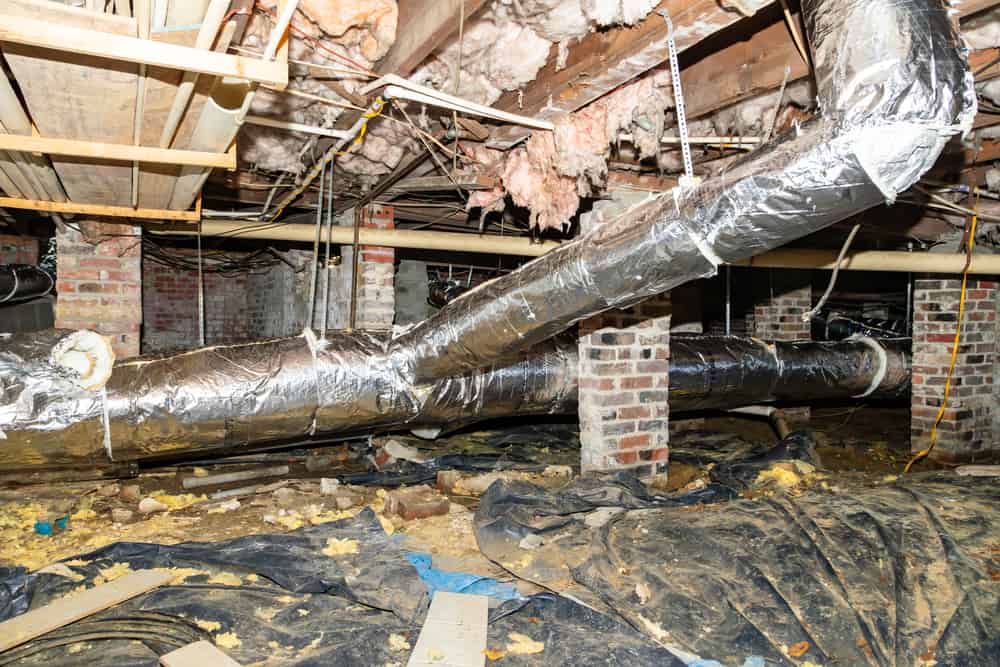
Important Tool For Keeping Water Out of Your Basement
Homeowners in North Carolina sometimes wonder if they can take any steps themselves to help prevent water from seeping into basement areas? One very powerful waterproofing tool often escapes attention. Yet it offers a practical way to help maintain dry basements and under-the-house crawl spaces. Don’t overlook the critical importance of keeping residential gutters and downspouts in good condition!
Gutter Systems Help Protect Foundations
Human beings learned thousands of years ago that rooftops served as excellent water-collection systems. You’ve probably watched classic films set in the Old West in which characters placed wooden rain barrels beneath the eaves, for example. People noticed runoff would sometimes cascade off man-made structures after heavy downpours.
During the modern era, sturdy metal gutters running along the edges of roofs have gained popularity. They usually connect with one (or more) vertical downspouts. Today most builders routinely install gutters when they first finish the roof on a new construction job. Gutters serve a dual purpose. They prevent rainwater, fallen leaves and other windblown debris from sliding off the roof and creating an unsightly mess in the yard. Most importantly, they also direct runoff away from residential foundations and basements. It sometimes surprises homeowners to learn their gutters actually supply an important tool for helping maintain the lower levels of the home in a dry condition!
Why Gutter Maintenance Matters
Correctly maintained gutters and downspouts help residents channel rainwater away from the home. When a waterproofing expert first inspects a basement or a low-lying area, this specialist will typically also note the presence (or absence) of gutters and downspouts. Although most residences in this region of North Carolina utilize gutters, sometimes property owners overlook the importance of installing new gutters and downspouts following roof replacements. Keeping these systems in good working order can ultimately help you save thousands of dollars in waterproofing home repair expenses!
In our area, homeowners should periodically check the gutters and clean out any accumulated debris. Why? As rainwater drains down a roof towards the gutter, it carries along minute particles of dirt and sand which have blown onto the roof. It will also transport fallen leaves and branches from the rooftop into residential gutters. Unless periodically removed from the gutter system, this organic material can form clogs that interrupt the flow of water through downspouts. Clogged gutters not only eventually look unattractive, they will fail to perform a protective function.
Make Sure Downspouts Protect Your Home’s Foundation
Ideally, your residential downspouts will direct water away from the home’s perimeter. Runoff leaving downspouts typically drains onto concrete splash blocks. Waterproofing experts sometimes install runoff channels to extend the lengths of the splash blocks. Also, ensuring water flows only seep into the ground at a point well removed from the residence.
If your gutters receive cleaning too infrequently, you likely won’t notice the consequences immediately. Yet over the course of months and years, a failed gutter system (or the absence of any gutter system at all) usually causes problems. Water may saturate the ground around the home during certain seasons of the year. It may begin leaking through small cracks in the foundation and enter the basement, for instance. Or it may permit damp conditions to develop in under-the-home unsealed crawl spaces. Maintaining your residential gutter system in good condition cannot guarantee you’ll never encounter waterproofing problems. However, it does reduce the likelihood of some types of runoff water damage.
Essential Gutter System Maintenance
Most experts recommend cleaning out the gutters and downspouts of a home during autumn and towards the beginning of spring. Gutter cleaning services remain available to assist homeowners with this messy task, which requires the use of a ladder or crane. Consider asking anyone performing gutter cleaning to also assess the general condition of the gutter system; older gutters in North Carolina sometimes sustain damage caused by heavy fallen tree branches or high winds. They may develop pinhole areas of rusting or leaking and require repair. Also, if residential gutters show extensive wear and tear, you might consider replacing worn sections with attractive new gutters.
For More Information about Keeping Water Out or to Schedule an Appointment…Contact Us Today!
If you have any concerns about the suitability of your home’s downspouts or gutter splash blocks, don’t hesitate to contact us. We strive to help residents maintain dry basements and crawl spaces. Lastly, we serve customers throughout this region of North Carolina!
Encapsulation, in the context of home maintenance, refers to a comprehensive process that involves sealing or encapsulating certain areas within a house to address various issues and enhance its overall health and efficiency. This practice is gaining popularity for its ability to protect homes from moisture, pests, and energy inefficiencies. In this blog post, we will explore what it is and how it can benefit your home.
Understanding Encapsulation:
1. Crawl Space Encapsulation: One common application is in the crawl space beneath a home. Crawl space encapsulation involves sealing off this area from the external environment. The process typically includes covering the floor, walls, and sometimes the ceiling with a vapor barrier made of durable materials like polyethylene. This barrier acts as a protective shield against moisture, preventing it from seeping into the crawl space.
2. Sealing Off Vents: Traditional crawl spaces often have vents that allow outside air to circulate. Encapsulation includes sealing or closing these vents to create a more controlled environment. This helps in regulating temperature and preventing the intrusion of outside elements.
3. Insulation: In some of the processes, insulation may be added to walls or other areas of the home. Insulation contributes to energy efficiency by preventing heat loss in colder months and reducing the influx of heat during warmer periods. This can lead to improved comfort and reduced energy bills.
4. Dehumidification:Managing moisture is a crucial aspect of encapsulation. In addition to vapor barriers, homeowners may choose to install dehumidifiers in encapsulated spaces. This helps control humidity levels, preventing the conditions that promote mold growth and other moisture-related issues.
How Encapsulation Benefits Your Home:
1. Moisture Control: One of the primary benefits is effective moisture control. By sealing off vulnerable areas like crawl spaces, moisture infiltration is minimized. This, in turn, prevents issues such as mold growth, wood rot, and structural damage. Moisture control is essential for maintaining a healthy indoor environment and preserving the integrity of the home.
2. Pest Deterrence: Encapsulation acts as a deterrent to pests. Unsealed crawl spaces are susceptible to infestations by rodents and insects, which can cause damage to the home. By encapsulating these spaces, homeowners create a barrier that keeps pests out, contributing to the overall well-being of the home.
3. Improved Indoor Air Quality: Moisture and mold growth can negatively impact indoor air quality. By addressing these issues homeowners create a healthier living environment. Improved indoor air quality is especially beneficial for individuals with respiratory conditions or allergies.
4. Energy Efficiency: Encapsulation plays a role in enhancing energy efficiency. By insulating and sealing off spaces, the home is better equipped to maintain a stable temperature. This reduces the workload on heating and cooling systems, leading to energy savings and lower utility bills.
5. Structural Preservation: Moisture and pests can compromise the structural integrity of a home over time. Encapsulation provides a protective barrier, preserving the structural components and foundation. This contributes to the longevity of the home and reduces the likelihood of costly repairs.
6. Increased Property Value: Homes with encapsulated spaces may have higher property values. Potential buyers often view this as a proactive measure that indicates the homeowner’s commitment to maintaining the property. This can make the home more attractive in the real estate market.
Conclusion:
Encapsulation is a versatile and effective method for addressing various issues within a home. Whether applied to crawl spaces, walls, or other vulnerable areas, encapsulation provides a range of benefits, including moisture control, pest deterrence, improved indoor air quality, energy efficiency, and structural preservation. Homeowners seeking to create a healthier, more efficient, and resilient living environment should consider encapsulation as part of their home maintenance strategy. By understanding the advantages of encapsulation, individuals can make informed decisions to enhance the overall well-being and value of their homes.
Crawl space moisture problems occur when there’s a buildup of dampness or water in the crawl space area beneath your home. This can be due to a variety of causes, including climatic conditions, inadequate ventilation, plumbing leaks, or ineffective drainage systems. The presence of moisture in this confined space can trigger an array of issues, from mold and mildew growth to structural damage.
Addressing moisture problems in your crawl space is not something to be taken lightly. If left unchecked, it can lead to serious issues such as structural damage, unpleasant odors, sagging floors, and even rot. Moreover, a damp environment is a perfect breeding ground for pests such as termites and rodents, causing further harm to your property.
That’s where Drainage & Waterproofing Solutions LLC comes into play. This company specializes in providing effective drainage and waterproofing solutions that keep your crawl space dry and inhibit the issues caused by excess moisture. Their services range from basement and foundation waterproofing to comprehensive crawl space maintenance.
By ensuring proper maintenance of your crawl space with the help of professionals like Drainage & Waterproofing Solutions LLC, you can protect your property’s longevity and ensure a healthier living environment for its inhabitants. By doing so, you’ll not only prevent potential damage but also avoid the costs related to major repairs in the future. When it comes to your crawl space, prevention is always better than cure!
Understanding the Causes of Crawl Space Moisture
Climatic Factors
Crawl space moisture can be significantly influenced by the weather and climate. For instance, areas with high humidity levels or frequent rainfall can lead to increased moisture in the crawl space. During hot weather, high humidity in the air can also contribute to a damp crawl space. It’s crucial to understand these climatic factors and how they impact your home’s crawl space to effectively manage and prevent moisture problems.
Poor Ventilation
Poor ventilation is another major cause of crawl space moisture. When a crawl space is not properly ventilated, it can trap moist air, leading to condensation build-up on the wood framing and other materials. This can cause the wood to rot and floors to sag, leading to serious structural issues. Proper encapsulation and ventilation are key to preventing such problems.
Plumbing Leaks
Plumbing leaks are a common cause of crawl space moisture. Whether it’s a small leak from a pipe or a major flood from a broken pipe, water can easily find its way into your crawl space. Over time, this can lead to significant moisture problems, including mold growth and structural damage. Regular plumbing inspections can help detect and fix leaks before they cause major issues.
Inadequate Drainage
Inadequate drainage is another contributing factor to crawl space moisture. Surface water from roof drainage, overflowing gutters, grading issues, or leaky basement windows can easily seep into the crawl space. If the water doesn’t have a proper outlet, it can lead to moisture build-up and subsequent problems. Therefore, an effective drainage system is crucial for preventing crawl space moisture.
Recognizing Signs of Crawl Space Moisture Problems
Visible Mold and Mildew
One of the most common signs of a moisture problem in your crawl space is the presence of mold and mildew. These fungal growths thrive in damp environments and can appear as spots or patches of various colors, including black, white, green, or brown. Not only can mold and mildew cause structural damage to your home, but they can also pose serious health risks, including respiratory issues.
Musty Odors
If you’re noticing a persistent musty odor in your home, it may be a sign of a moisture problem in your crawl space. This smell is often caused by mold and mildew growth and can permeate your living spaces through your HVAC system or through cracks and gaps in your flooring.
Wood Rot and Structural Damage
Excessive moisture can cause wood rot, leading to significant structural damage over time. If your floors are sagging, or if you notice cracks in your drywall, this could be a sign of moisture-induced damage in your crawl space. In severe cases, this can compromise the safety and integrity of your home.
High Humidity Levels
High humidity levels in your home can be a telltale sign of crawl space water issues. Excessive humidity can result in condensation on your windows and an overall muggy feeling in your living spaces. In some cases, you might even see condensation on the walls of your crawl space or on your HVAC vents.
Water Stains and Pooling Water
Water stains on the walls of your crawl space or pooling water on the floor are clear indications of a moisture problem. These signs suggest that water is seeping into your crawl space, possibly due to inadequate drainage or a plumbing leak.
Pest Infestations
Pests such as termites, rodents, and insects are attracted to damp environments. If you’re dealing with recurring pest infestations, it could be a sign of a moisture problem in your crawl space. These pests can cause additional damage to your property and can also pose health risks.
The Impact of Neglected Crawl Space Moisture Problems
Health Risks (Allergies, Respiratory Issues)
Exposure to Mold and Mildew: Mold and mildew thrive in damp crawl spaces. When their spores become airborne, they can trigger a range of health problems. These include allergic reactions like itchy eyes and skin rashes, as well as more serious respiratory issues such as asthma and bronchitis.
Increased Humidity Levels: High humidity levels in your home due to a moist crawl space can lead to discomfort and exacerbate conditions like arthritis and rheumatism. It can also cause condensation, promoting the growth of bacteria and dust mites, which are known allergens.
Risk of Pest Infestations: As mentioned earlier, pests love damp environments. Their presence can lead to additional health risks, including the spread of diseases and the triggering of allergies and asthma.
Structural Damage to Property
Ignoring moisture problems in your crawl space can lead to severe structural damage. Dampness can cause wood to rot, weakening the structural integrity of your home. This can result in sagging floors, cracked drywall, and overall instability of your property. Additionally, the presence of mold can further deteriorate building materials.
Decreased Property Value
A damp crawl space and the problems it causes, such as structural damage and mold growth, can significantly decrease your property value. Potential buyers may be deterred by the health risks and potential repair costs associated with these issues. Keeping your crawl space dry and well-maintained is an investment that pays off in preserving your home’s market value.
Increased Energy Costs
Excessive moisture in your crawl space can also lead to increased energy costs. Humid air requires more energy to heat or cool, which can drive up your utility bills. Furthermore, moisture can cause insulation to become less effective, forcing your HVAC system to work harder to maintain comfortable temperatures in your home. Properly addressing crawl space moisture issues can lead to significant energy savings.
Introduction to Crawl Space Waterproofing
Definition and Purpose of Crawl Space Waterproofing
Crawl space waterproofing is a process designed to prevent water from entering your crawl space, thereby protecting your home’s structural integrity and improving indoor air quality. This is typically achieved through a combination of sealing techniques, moisture barriers, and, in some cases, the installation of a crawl space dehumidifier or sump pump. The primary purpose of crawl space waterproofing is to mitigate the risk of water damage, mold growth, and other moisture-related issues that can adversely affect your home and health.
Benefits of Waterproofing Your Crawl Space with Drainage & Waterproofing Solutions LLC
Enhanced Structural Integrity: By preventing moisture build-up, Drainage & Waterproofing Solutions LLC’s waterproofing services help maintain the structural integrity of your home. Their methods effectively protect wood and other materials from rot and deterioration.
Improved Indoor Air Quality: With their waterproofing solutions, you can significantly improve the air quality inside your home. By reducing dampness and mold growth, they help eliminate musty odors and allergens that can affect your health.
Energy Efficiency: Their waterproofing services can also enhance your home’s energy efficiency. By controlling humidity levels in the crawl space, they help your HVAC system operate more efficiently, potentially lowering your energy costs.
Increased Property Value: A dry and well-maintained crawl space can add value to your home. Potential buyers often appreciate homes that have been properly waterproofed as it indicates a well-cared-for property.
When to Consider Crawl Space Waterproofing
Persistent Moisture Problems
If you’re dealing with persistent moisture problems in your crawl space, such as water pooling, condensation, or high humidity levels, it’s a clear sign that you need to consider waterproofing. These issues can lead to more severe problems if not addressed promptly, including mold growth, wood rot, and structural damage.
Frequent Pest Infestations
Apart from being a nuisance, frequent pest infestations can also be an indicator of a moisture issue in your crawl space. Pests such as termites, rodents, and insects are attracted to damp environments. If you’re struggling with recurring pest problems, it might be time to look into crawl space waterproofing solutions.
Noticeable Mold Growth
The presence of mold in your crawl space is a serious concern and a clear sign that waterproofing is needed. Mold thrives in damp conditions and can cause health problems, structural damage, and musty odors. If you notice mold growth in your crawl space, it’s crucial to act quickly to prevent further issues.
Structural Damage Indicators
Signs of structural damage, such as sagging floors, cracked drywall, or weakened beams, could indicate a moisture problem in your crawl space. Water can damage the wood and other materials that make up your home’s structure, leading to costly repairs if not addressed promptly. If you’re seeing these signs, it’s time to consider crawl space waterproofing.
The Importance of Addressing Crawl Space Moisture Problems and Considering Waterproofing
Addressing crawl space moisture problems is critical to maintaining the structural integrity and health of your home. Persistent dampness in your crawl space can lead to a host of issues, including mold growth, wood rot, pest infestation, and even higher energy bills. Waterproofing your crawl space is not just an optional home improvement project; it’s a necessity that safeguards your home from potential damage, protects your family’s health, and preserves your property’s value.
Proactive home maintenance, especially when it comes to your crawl space, should be a priority for every homeowner. Partnering with a reliable service provider like Drainage & Waterproofing Solutions LLC ensures that your crawl space remains dry and healthy. Their comprehensive waterproofing solutions help prevent moisture-related problems before they start, saving you from potentially costly repairs down the line. By choosing to invest in their services, you’re choosing peace of mind knowing that your home is protected from the damaging effects of moisture.
A dry and secure home is the foundation of comfort and peace of mind for homeowners. When it comes to safeguarding your property against water damage, French drains emerge as a powerful solution. In this blog, we explore the transformative benefits of French drains and how Drainage & Waterproofing, a leading waterproofing company, is dedicated to fortifying homes against water intrusion.
Understanding French Drains:
A French drain, named after its originator Henry French, is a trench filled with gravel or rock that redirects surface and groundwater away from an area. Its primary purpose is to prevent water from pooling around foundations, basements, or other vulnerable areas of a property. This innovative drainage system is a vital component of comprehensive waterproofing strategies.
Why Choose Drainage & Waterproofing for French Drain Installation?
Expertise and Experience: Drainage & Waterproofing boasts a team of experienced professionals with a deep understanding of local soil conditions and water table dynamics. This expertise allows them to tailor French drain installations to the specific needs and challenges of each property.
Customized Solutions: No two properties are alike, and Drainage & Waterproofing recognizes the importance of personalized solutions. Their team conducts thorough site assessments to determine the most effective placement and design for French drains, ensuring maximum water diversion and protection.
State-of-the-Art Technology: Keeping abreast of technological advancements is a hallmark of Drainage & Waterproofing. Utilizing state-of-the-art equipment and materials, they enhance the efficiency and durability of French drain installations. This commitment to innovation ensures long-lasting protection for homeowners.
Comprehensive Waterproofing Approach: While French drains play a crucial role in preventing surface and groundwater issues, Drainage & Waterproofing takes a holistic approach to waterproofing. This may include foundation repairs, exterior waterproofing membranes, and other solutions tailored to address specific vulnerabilities in a property.
Benefits of French Drains:
Preventing Basement Flooding: One of the primary benefits of French drains is their ability to redirect water away from basements. By creating a path of least resistance for water to follow, French drains significantly reduce the risk of basement flooding, protecting valuable possessions and maintaining a dry living space.
Safeguarding Foundations: Excess water around the foundation can lead to soil erosion and compromise the structural integrity of a home. French drains act as a barrier, preventing water from pooling near the foundation and minimizing the risk of foundation damage.
Preventing Soil Erosion: Beyond protecting structures, French drains contribute to preventing soil erosion. By channeling water away from vulnerable areas, they help maintain the integrity of landscaping, preserving the aesthetic appeal of the property.
Mold and Mildew Prevention: Damp environments are breeding grounds for mold and mildew. French drains aid in maintaining a dry foundation, reducing the likelihood of mold and mildew growth. This not only protects the home but also contributes to a healthier indoor environment.
Conclusion:
French drains are a cornerstone of effective water management and waterproofing strategies, and Drainage & Waterproofing stands at the forefront of delivering top-tier solutions to homeowners. By choosing their expertise, homeowners can fortify their properties against water intrusion, ensuring lasting protection and peace of mind. Invest in the power of French drains with Drainage & Waterproofing to secure a dry and resilient home for years to come.
A damp and musty basement can be more than just a nuisance—it can lead to a host of issues, from structural damage to health concerns. Basement moisture control is a critical aspect of home maintenance, and in this blog post, we’ll delve into what it entails and why it’s crucial for the health and longevity of your home.
Understanding Basement Moisture: Basement moisture is a common problem that arises due to various factors, including water seepage, poor ventilation, and high humidity levels. When moisture infiltrates the basement, it can lead to mold growth, rot, and compromise the structural integrity of the home.
The Importance of Basement Moisture Control:
Structural Integrity: Excess moisture can wreak havoc on the structural elements of your home, causing wood to rot, metal to corrode, and concrete to deteriorate. This compromises the integrity of the foundation and can result in costly repairs.
Health Concerns: Damp and moldy basements pose health risks to inhabitants. Mold spores can trigger respiratory issues and allergies, exacerbating conditions such as asthma. Moist environments also attract pests like termites and rodents, further compromising indoor air quality.
Property Value: A damp basement can significantly impact the resale value of your home. Prospective buyers are likely to be deterred by moisture issues, viewing them as potential headaches and costly repairs.
Basement Moisture Control Strategies:
Proper Ventilation: Adequate ventilation is crucial for preventing moisture buildup in the basement. Ensure that your basement has proper airflow, and consider using fans or dehumidifiers to maintain optimal humidity levels.
Waterproofing: Investing in basement waterproofing is a proactive measure to prevent water infiltration. This can involve applying sealants to walls, installing drainage systems, and addressing any exterior grading issues that may contribute to water seepage.
Repairing Foundation Cracks: Foundation cracks are common entry points for moisture. Regularly inspect and repair any cracks in the foundation to prevent water from entering the basement.
Gutters and Downspouts: Ensure that your gutters and downspouts are in good condition and directing water away from the foundation. Proper drainage is crucial in preventing water accumulation around the perimeter of the home.
Landscaping: Slope the landscaping away from the foundation to encourage water runoff. Avoid planting shrubs or flowers close to the foundation, as their roots can contribute to moisture issues.
Sump Pump Installation: A sump pump can be an effective solution for controlling water in the basement. It removes excess water and prevents flooding, providing an added layer of protection against moisture-related problems.
Regular Inspections: Conduct routine inspections of your basement to identify any signs of moisture, including water stains, mold growth, or musty odors. Early detection allows for prompt intervention and mitigates potential damage.
DIY vs. Professional Assistance: While some homeowners may opt for do-it-yourself moisture control measures, complex issues may require professional intervention. Basement waterproofing experts can assess the unique characteristics of your home and implement tailored solutions to address moisture problems effectively.
Conclusion: Basement moisture control is not just about maintaining a dry space; it’s about safeguarding the health of your home and its inhabitants. By adopting a proactive approach, investing in preventive measures, and seeking professional assistance when needed, you can ensure that your basement remains a functional and healthy part of your home for years to come. Remember, a dry basement is a key ingredient for a secure and comfortable living environment.