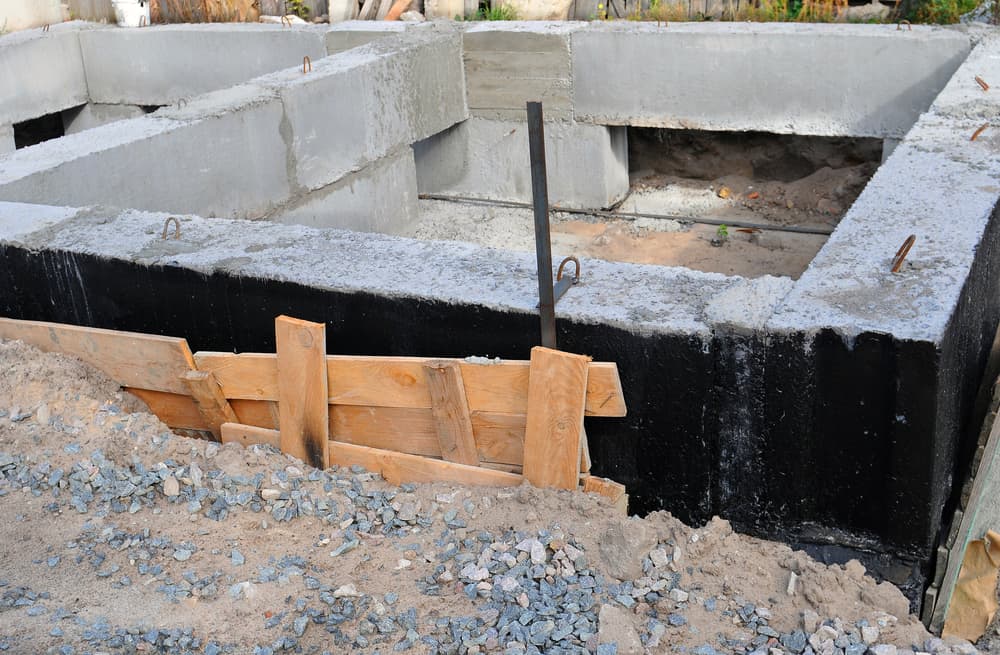
A dry and secure home is the cornerstone of comfort and peace of mind. However, water intrusion can silently seep into the nooks and crannies of your living space, causing structural damage, mold growth, and a host of other issues. To maintain the integrity of your home, it’s essential to know where to look for water and signs of potential water-related problems that may necessitate waterproofing. Join us on a comprehensive exploration of areas to inspect, enabling you to identify potential water issues before they turn into significant headaches.
Basements: The First Frontier: Basements are often the primary battleground against water infiltration. Inspect the walls and floor for signs of dampness or water stains, as these can indicate seepage or leaks. Pay close attention to the corners and joints, as these areas are more susceptible to water intrusion. If you notice a musty odor or see mold growth, it’s a red flag that moisture is finding its way in. Additionally, check for cracks in the foundation and around windows, as these can provide entry points for water. A vigilant inspection of your basement is the first step in determining whether waterproofing is needed to keep it dry and functional.
Crawl Spaces: Hidden Havens: Crawl spaces, though often overlooked, can be breeding grounds for water-related issues. Inspect the walls and floor for any signs of moisture, as excess dampness can lead to mold growth and compromise the structural integrity of your home. Check for water stains or puddles, particularly after heavy rainfall. If your crawl space has a dirt floor, ensure there is a proper vapor barrier to prevent ground moisture from infiltrating. Installing a sump pump in crawl spaces prone to water accumulation can be an effective measure to mitigate potential problems. Regular checks of these hidden havens can uncover early signs of water intrusion.
Exterior Walls: The Outer Defense: The exterior walls of your home act as the first line of defense against the elements. Inspect the siding or stucco for any cracks or gaps that may allow water to penetrate. Check the sealant around windows and doors, ensuring it is intact and free of deterioration. Pay attention to areas where different materials meet, as these junctions can be vulnerable to water infiltration. If you notice any discoloration, peeling paint, or efflorescence (white, powdery deposits), these could be signs of water damage. A thorough examination of your home’s exterior is crucial in identifying potential weak points that may require waterproofing.
Roof: The Overhead Watchtower: Your roof plays a critical role in protecting your home from water intrusion. Inspect the roof for missing or damaged shingles, as these can create entry points for water. Check for signs of sagging or water stains on the ceiling, which may indicate a leak. Pay attention to the flashing around chimneys, vents, and skylights, as these areas are prone to water penetration. Regularly clean gutters and downspouts to ensure proper drainage, preventing water from pooling on the roof. By maintaining a vigilant eye on your roof, you can catch potential water issues before they infiltrate your living space.
Windows and Doors: Entry Points: Windows and doors are common entry points for water if not properly sealed. Inspect the seals and caulking around windows and doors, looking for cracks or gaps that may allow water to seep in. Check for condensation between window panes, as this could indicate a faulty seal. Ensure that weather stripping is intact and effective in preventing water intrusion. If you notice water stains on window sills or around doors, investigate the source promptly. Regular checks of these entry points can help fortify your home against unwanted water infiltration.
Conclusion: A vigilant inspection of your home, focusing on basements, crawl spaces, exterior walls, roofs, windows, and doors, is paramount in identifying potential water issues. Early detection can save you from costly repairs and the headaches associated with water damage. Whether it’s a subtle hint of dampness or more overt signs like water stains and mold growth, understanding where to look empowers you to take proactive steps, including waterproofing if necessary, to keep your home dry, secure, and resilient against the challenges of water intrusion.
Waterproofing is a critical aspect of construction and home maintenance, serving as a protective barrier against water intrusion. Whether it’s a residential property or a commercial structure, waterproofing is essential to prevent costly damage and maintain the integrity of the building. However, even with the best intentions and quality materials, certain common problems can arise, posing challenges for property owners.
1. Inadequate Sealant Application:
One of the most common issues stems from the improper application of sealants. Sealants, such as caulks and joint fillers, play a crucial role in sealing gaps and joints to prevent water infiltration. When applied incorrectly or if low-quality sealants are used, water can find its way through, leading to leaks and potential structural damage.
2. Poorly Installed or Damaged Flashing:
Flashing is a thin material installed to redirect water away from vulnerable areas, such as roof joints, windows, and doors. If flashing is poorly installed or becomes damaged over time, it can compromise the water-shedding function, allowing water to seep into the building envelope. Regular inspection and timely repair or replacement of damaged flashing are essential to prevent water-related issues.
3. Cracked Foundation:
The foundation is the backbone of any structure, and when it comes to waterproofing, a cracked foundation is a serious concern. Foundation cracks can allow water to penetrate, leading to basement flooding, mold growth, and structural instability. Addressing foundation cracks promptly through professional repairs is crucial for maintaining a watertight building envelope.
4. Inadequate Drainage Systems:
Effective drainage systems are paramount in preventing water buildup around a structure. Improper grading, clogged gutters, or malfunctioning drainage pipes can lead to water pooling near the foundation or on the roof. This standing water increases the risk of leaks and water damage. Regular maintenance of drainage systems is essential to ensure proper water flow away from the building.
5. Aging Waterproofing Membranes:
Waterproofing membranes, such as those used in basements or roofs, have a finite lifespan. Over time, exposure to the elements, UV radiation, and temperature fluctuations can cause these membranes to deteriorate. Aging membranes may develop cracks, blisters, or become less effective in repelling water. Periodic inspections and proactive replacement of worn-out membranes are essential for long-term waterproofing success.
6. Poor Ventilation:
Inadequate ventilation can contribute to moisture buildup within a structure, creating an environment conducive to mold growth and water damage. Proper ventilation is crucial in areas like basements, attics, and crawl spaces. Installing vents, exhaust fans, or incorporating a balanced ventilation system can help mitigate moisture-related issues.
7. Subpar Waterproofing Materials:
Using subpar or outdated materials is a recipe for disaster. The construction industry continually evolves, introducing advanced materials and techniques for superior waterproofing. Property owners should invest in high-quality waterproofing products and enlist experienced professionals for installation to ensure optimal performance and longevity.
Conclusion:
While waterproofing is a fundamental aspect of construction and building maintenance, it’s not immune to challenges. Addressing common waterproofing problems promptly and proactively can save property owners from significant headaches and financial burdens down the line. Regular inspections, proper maintenance, and the use of quality materials are key elements in achieving and maintaining a watertight structure. If you encounter any of these issues, seeking the expertise of waterproofing professionals is the first step toward preserving the integrity and longevity of your property.
Investing in waterproofing is a crucial step to protect our homes and structures from the relentless assault of moisture. However, the question that often lingers in the minds of property owners is, “How long will it last?” In this exploration, we’ll unravel the factors influencing the lifespan of waterproofing solutions and offer insights into ensuring their enduring effectiveness.
Type of Waterproofing: The longevity largely depends on the type of solution applied. There are various methods, including liquid membranes, cementitious coatings, and bituminous membranes. Each comes with its own set of advantages and durability factors. Solution: Understanding the specific requirements of your property and consulting with waterproofing experts can help determine the most suitable type of waterproofing for your needs.
Quality of Materials: The quality of materials used in the process is a critical determinant of its lifespan. High-quality sealants, membranes, and coatings are designed to withstand the elements and provide long-lasting protection. Solution: Opting for premium-grade materials and hiring experienced professionals for installation can significantly enhance the durability of your waterproofing system.
Environmental Factors: The environment in which a structure is located plays a pivotal role in the longevity. Harsh weather conditions, exposure to UV rays, and temperature fluctuations can impact the effectiveness of waterproofing materials over time. Solution: Periodic inspections and maintenance, especially after extreme weather events, can help identify and address potential vulnerabilities before they escalate.
Proper Installation: Even the most advanced materials can fall short if not installed correctly. Proper installation is paramount to ensuring that the materials form a seamless and impenetrable barrier against moisture. Solution: Hiring experienced and certified professionals is crucial. Follow manufacturer guidelines and ensure that the installation process adheres to industry best practices.
Regular Maintenance: Waterproofing, like any protective measure, benefits from regular maintenance. Neglecting this aspect can lead to the gradual deterioration of the system, compromising its effectiveness. Solution: Implementing a routine maintenance schedule, including inspections and necessary repairs, can extend the lifespan and address potential issues proactively.
Type of Structure: The type of structure being waterproofed also influences the longevity of the treatment. For example, a residential basement may have different requirements than waterproofing a commercial roof. Solution: Tailoring the solution to the specific needs and vulnerabilities of the structure is essential. Consulting with professionals who understand the nuances of different applications can ensure optimal results.
The lifespan is a multifaceted puzzle with various pieces—type of waterproofing, quality of materials, environmental factors, proper installation, and regular maintenance. By approaching it as an ongoing commitment rather than a one-time fix, property owners can enjoy prolonged protection against the threat of moisture infiltration. Working in tandem with experienced professionals and staying vigilant to changing conditions ensures that it stands the test of time, safeguarding your investment and providing peace of mind for years to come.
Foundation waterproofing is the application of materials and techniques designed to prevent water from penetrating a building’s foundation. It’s a preventative measure that keeps moisture from seeping into your home’s structural base, keeping it dry and solid. Much like how an umbrella shields you from rain, foundation waterproofing acts as a barrier between your home’s foundation and the moisture-laden soil surrounding it. This process is critical to maintaining the structural integrity of your home, because let’s face it, nobody wants a soggy foundation.
At Drainage Solutions, we understand the importance of a well-protected foundation. We offer high-quality waterproofing services designed to keep your home dry and secure, no matter the weather.
The importance of foundation waterproofing for home preservation cannot be overstated. Just as you wouldn’t ignore a leaky roof, your home’s foundation deserves the same attention. Water damage can lead to a slew of problems, from mold growth to structural instability. By waterproofing your foundation, you’re essentially equipping your home with a sturdy pair of boots, ready to wade through any storm.
It’s not just about preventing water damage; it’s about preserving your home’s value, ensuring your family’s safety, and keeping those basement monsters (aka mold and mildew) at bay. It’s time to give your foundation the protection it needs. And remember, Drainage Solutions is here to guide you every step of the way. Invest in our services today and enjoy a safer, drier home tomorrow.
Understanding the Basics of Home Foundations
Different Types of Home Foundations
When it comes to laying the groundwork for a home, understanding the different types of foundations is crucial. Here’s a rundown:
Basements: Accounting for 30 percent of home foundations, basements are a popular choice in many regions. They offer additional living or storage space and can be finished or unfinished. However, they need effective waterproofing to prevent moisture problems.
Crawlspaces: These foundations, which make up 15 percent of the total, are built above ground level, allowing for utilities access and preventing damage from soil moisture. But, like basements, they also need proper moisture control.
Concrete Slabs: Making up 54 percent of home foundations, concrete slabs are cost-effective and quick to install. They’re commonly used in warmer climates where ground freezing is not a concern.
Wood Foundations: Less common but still noteworthy, wood foundations are resistant to heat loss and are easy to install. The downside? They’re susceptible to rot and pests.
Pier and Beam Foundations: These foundations are raised off the ground and are especially useful in areas prone to flooding. They’re durable but require regular inspection for pests and decay.
Common Problems in Home Foundations
Common problems that can affect home foundations:
Cracks and Fractures: These are the most common signs of foundation distress. They can be caused by soil pressure, water damage, or even substandard materials used during construction.
Water Damage: This is a pervasive problem for basements and crawlspaces. Without proper waterproofing, moisture can seep in, leading to mold growth and structural damage.
Soil Shifting: Changes in the soil around your foundation due to weather conditions or poor drainage can lead to foundation movement and damage.
Pest Infestation: Particularly problematic for wood and pier and beam foundations, pests like termites and rodents can cause significant harm if not addressed promptly.
By understanding these foundation types and potential issues, you’re well-equipped to make an informed decision when building or buying a house. After all, a solid foundation makes for a sturdy home.
Causes of Water Damage in Foundations
Natural Factors
Water damage in foundations can often be traced back to Mother Nature herself. Here are some natural factors that contribute:
Rainfall: Excessive rain can lead to standing water around your foundation, increasing the pressure on it and potentially causing cracks through which water can seep.
Soil Conditions: Certain types of soil, known as expansive soils, can expand when wet and shrink when dry. This constant shifting can put stress on your foundation and lead to damage.
Groundwater Pressure: Water naturally present in the ground can exert pressure on your foundation, leading to fractures and leaks.
Human Factors
While nature certainly plays a role in foundation water damage, human actions (or inactions) can also be at fault. Here’s how we contribute:
Poor Drainage: If your gutter downspouts aren’t directing water away from your foundation effectively, you could end up with puddling and subsequent damage.
Cracks in the Foundation: Existing cracks, whether due to substandard materials or faulty construction, can allow water to infiltrate your foundation.
Improper Soil Grading: If the soil around your home isn’t properly graded, it can lead to water pooling around your foundation, increasing the risk of damage.
Being aware of these factors can help you take steps to prevent water damage to your foundation, keeping your home structurally sound and safeguarding its value. After all, as the saying goes, “An ounce of prevention is worth a pound of cure.”
Foundation Waterproofing Methods
Interior Waterproofing
When it comes to waterproofing from the inside, there are several methods at your disposal:
Interior Foundation Coatings: These coatings are applied to the inside of your foundation walls to prevent moisture from seeping in. They’re a cost-effective method, but they don’t address external water pressure.
Sump Pumps: Sump pumps extract water that has made its way into your basement, pumping it away from your home. They’re particularly useful in areas prone to heavy rainfall or flooding.
Dehumidifiers: While not a standalone solution, dehumidifiers can help control the moisture levels in your basement, preventing mold growth and other moisture-related issues.
Exterior Waterproofing
Waterproofing your foundation from the outside involves:
Polymers and Membranes: These materials are used to coat the exterior of your foundation walls, providing an effective barrier against water. They’re a more expensive option, but they address the problem at its source.
Drainage Improvements
Improving your home’s drainage can also help prevent foundation water damage:
Gutter Downspouts: Ensuring that your downspouts are correctly positioned to direct water away from your foundation is a simple yet effective measure.
Foundation Drains: These drains, installed around the perimeter of your foundation, help divert groundwater away from your home. They can be particularly beneficial if your home is located in an area with a high water table.
By employing these methods, you can protect your foundation from water damage, ensuring the longevity of your home and maintaining its value.
Preventive Measures for Foundation Water Damage
Regular Maintenance and Inspection
Consistent maintenance and inspection of your foundation are crucial preventive measures. Regularly checking for cracks in your basement walls or foundation can help prevent water seepage and further damage. It’s important to repair any identified issues promptly to avoid exacerbating the problem. Also, managing soil moisture and keeping tree roots away from the foundation can be beneficial. Be intentional with the vegetation you grow around your home, as certain types can contribute to water accumulation.
Installation of Proper Drainage Systems
A well-installed drainage system is another key preventive measure. This includes maintaining good drainage around your property, installing a French drain around your foundation, and ensuring that gutter downspouts carry water well away from the foundation. Additionally, a sump pump can be very effective at removing groundwater beneath your foundation, helping to prevent water intrusion through cracks in the basement.
Use of Quality Construction Materials
Using quality construction materials right from the start can go a long way in preventing foundation water damage. Whether it’s the concrete for the foundation itself or the waterproofing materials used, good-quality products will provide better protection. Furthermore, creating a barrier around your foundation using polymers and membranes can effectively stop water damage from occurring.
Final Thoughts on Foundation Waterproofing
Foundation waterproofing is a key aspect of home maintenance that often gets overlooked until it’s too late. It plays a vital role in maintaining the structural integrity of your home, preventing water damage to floors, walls, and the foundation itself. Moreover, it eliminates the conducive environment for mold growth, which can have serious health implications.
In line with this, Drainage Solutions offers an array of services to help you manage water around your property effectively. Our team of professionals is dedicated to ensuring that your home stays dry and safe from potential water damage.
Effective foundation waterproofing not only stops water from entering your foundation but also ensures your foundation remains robust. It should be seamless, stretching over cracks and withstanding water pressure. With Drainage Solutions, you can trust us to provide comprehensive waterproofing services that are designed to meet your unique needs.
The importance of this process extends beyond just the physical structure of your home; it also impacts the health of your living space. A well-waterproofed foundation provides long-term protection from water-related issues, contributing to a healthier and safer home environment.
Foundation waterproofing is vital. Regular checks, quality materials, and correct drainage are key to maintaining a dry foundation and a safe home. That’s why at Drainage Solutions, we’re committed to providing top-notch services that ensure your peace of mind. We are open Monday – Friday, from 9 am – 10 pm, located at 228 Weston Rd, Garner, NC 27529. You may reach us through our number (919)-508-7503 or send an email to drainageandwaterproofing@gmail.com.
Be proactive to prevent costly future repairs. Don’t wait for damage signs; protect your foundation now. Remember, waterproofing is an ongoing commitment to your home’s health and longevity. Invest today for peace of mind tomorrow, and let Drainage Solutions be your partner in this endeavor.
A lush and vibrant yard is a homeowner’s pride, but when unexpected water puddles disrupt the landscape, it can be both puzzling and concerning. The presence of puddles in your yard may hint at an underlying issue that demands attention. In this blog, we’ll delve into the potential reasons behind those perplexing yard water puddles and explore strategies to address them.
Poor Drainage:Inadequate drainage is a common culprit behind yard water puddles. If your yard lacks proper grading or sloping, rainwater may accumulate in low-lying areas, forming water puddles. Improving drainage through proper grading and the addition of drainage solutions like French drains can redirect water away from problematic spots.
Compacted Soil: Compacted soil hinders water absorption and drainage, leading to the formation of puddles. High foot traffic, heavy equipment, or natural settling can contribute to soil compaction. Aerating the soil and incorporating organic matter can improve its structure, allowing water to penetrate more effectively.
Saturated Soil Conditions: Excessive rainfall or overwatering can saturate the soil, creating conditions conducive to water puddle formation. Adjusting irrigation schedules, ensuring proper sprinkler function, and installing rain sensors can help maintain optimal soil moisture levels and prevent waterlogged conditions.
Runoff from Impermeable Surfaces: Water puddles may result from runoff from impermeable surfaces such as driveways, sidewalks, or compacted patios. When rainwater or irrigation runoff encounters these surfaces, it can accumulate in low areas of the yard. Redirecting runoff away from these areas or introducing permeable landscaping features can mitigate the issue.
Underground Water Leaks: Undetected underground water leaks from pipes or irrigation systems can contribute to persistent yard puddles. Monitoring water bills for unexpected increases, conducting regular inspections, and addressing leaks promptly can prevent water accumulation in the yard.
Clogged Gutters and Downspouts: If gutters and downspouts are clogged or damaged, rainwater may overflow and pool in specific areas of the yard. Regular gutter maintenance, including cleaning and repairs, ensures proper water flow and prevents puddle formation around the house foundation.
Inadequate Grading Near Foundations: Poor grading near the foundation can lead to water accumulation around the house perimeter. This not only contributes to yard puddles but also poses a risk of water seepage into the basement or crawlspace. Ensuring proper grading away from the foundation helps mitigate both issues.
Landscape Features: Certain landscape features, such as depressions, divots, or improperly designed flower beds, can create low spots where water collects. Modifying these landscape elements or incorporating water-absorbing materials can help prevent puddle formation.
Lawn Thatch and Compacted Grass: A thick layer of thatch or compacted grass can impede water absorption and contribute to surface runoff, leading to puddles. Regular lawn maintenance practices, including dethatching and aerating, promote a healthier lawn that can effectively absorb and manage water.
The mystery of yard puddles often has a multifaceted solution. By identifying the underlying causes and implementing targeted strategies, homeowners can reclaim their yards from waterlogged disruptions. Whether it’s addressing poor drainage, compacted soil, or runoff issues, proactive measures can transform a soggy landscape into a flourishing and well-drained outdoor haven. So, the next time you encounter puddles in your yard, consider it an invitation to explore the reasons behind them and embark on a journey to restore balance to your outdoor oasis.